Child Deaths in Remote Indian Villages
Listen
Vocabulary
Article
Since May, at least 32 children have died in remote villages in Balaghat district in central India. Most of the victims were from the Baiga, a tribal group that lives in isolated, forested areas. Officials say measles and malaria caused most of the deaths, though malnutrition and delayed treatment may have made the illnesses worse. The youngest victims were only a few months old; the oldest was 18 years old.
The Challenge of Distance
The villages sit in difficult terrain where dense jungle and muddy tracks make travel extremely hard, especially during the monsoon season when heavy rains turn dirt paths into slippery obstacles. The nearest hospital is 70 kilometres away and requires vehicles or a long, exhausting journey. Many families lack the money and transport to reach medical care in time. When Bamita, a three-year-old, became seriously ill with fever and a rash, her family could not take her to hospital because rain had made the tracks impassable. She died before dawn.
Limited Options
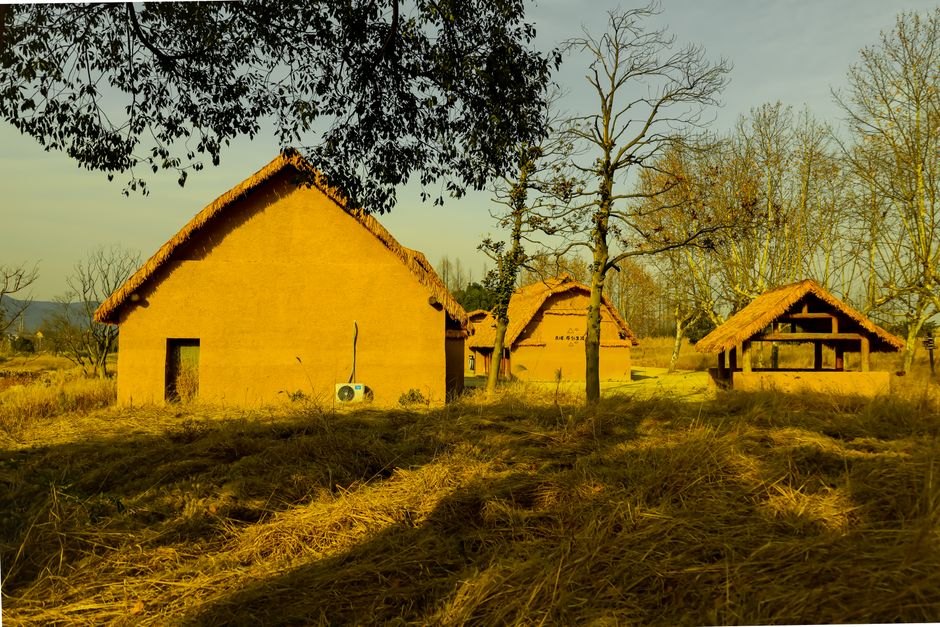
In these remote communities, families often turn to traditional healers when children fall ill, sometimes delaying professional medical treatment. The sparse mud homes lack basic resources, and health workers rarely visit the area. Local officials have described the crisis as unprecedented, with more child deaths in a few months than in decades of service. Improving access to hospitals and vaccination programs remains essential for protecting vulnerable children in these isolated regions.
Discussion Questions
- Why did the distance from hospitals make the crisis in these villages worse than it might have been in a city?
- What role did the monsoon season play in preventing families from seeking medical help for their children?
- How might vaccination programs help prevent similar outbreaks in remote tribal communities?
- Why do you think families sometimes use traditional healers instead of going to hospitals?
- What would be needed to improve healthcare access in areas as isolated and difficult to reach as Balaghat's villages?
Open the full interactive lesson with tap-to-hear on every word →