How Heat Affects Your Mental Health
Listen
Vocabulary
Article
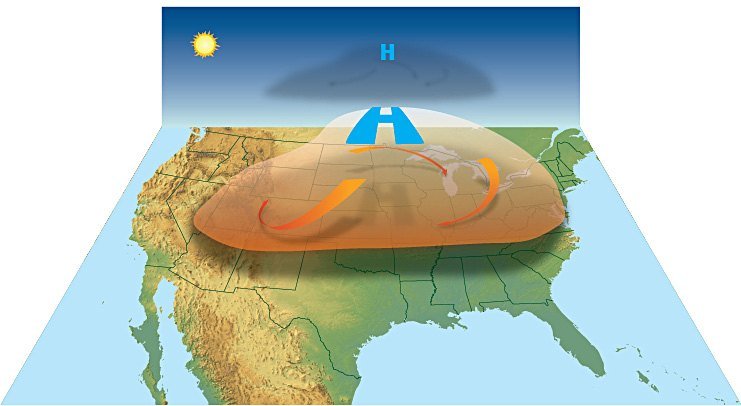
When temperatures climb to dangerous levels, the physical effects are obvious: dehydration, exhaustion, and heat-related illness. However, researchers are increasingly recognizing that extreme heat also damages our mental wellbeing. A recent study reveals that intense heat waves can trigger significant anxiety and depression, leaving people feeling powerless in the face of circumstances beyond their control.
Who Feels the Impact Most
The research indicates that certain groups experience greater psychological distress during heat waves. Young adults and women report higher levels of anxiety, while vulnerable populations including elderly individuals and those with existing mental health conditions face compounded difficulties. These groups often lack adequate resources to cope with prolonged heat, intensifying their sense of isolation and worry.
Understanding Heat-Related Anxiety
The anxiety accompanying extreme heat stems from multiple sources. People worry about their physical safety, the wellbeing of loved ones, financial consequences of energy bills, and broader environmental concerns. The relentless nature of heat waves, where relief seems impossibly distant, creates a persistent state of psychological tension that depletes emotional reserves.
Managing Your Mental Health
Experts recommend several practical strategies. Establishing a regular routine provides psychological stability when external conditions feel chaotic. Connecting with others through phone calls or in-person visits combats the isolation that heat waves can impose. Additionally, engaging in indoor hobbies, practicing mindfulness, and limiting consumption of alarming news can significantly reduce anxiety levels.
When to Seek Professional Support
If anxiety persists or interferes with daily functioning, consulting a mental health professional becomes crucial. Therapists can provide evidence-based techniques for managing heat-related stress and developing resilience. Recognizing that these feelings are valid and widespread helps reduce stigma around seeking help during challenging environmental periods.
Discussion Questions
- Have you or someone you know experienced increased anxiety during extremely hot weather? What triggered those feelings?
- Why do you think young adults and women might be more susceptible to heat-related anxiety than other groups?
- Which coping strategy mentioned in the article resonates most with you, and why would it work in your situation?
- How might climate change and increasingly frequent heat waves affect people's long-term mental health across society?
- What responsibility do governments and communities have in protecting vulnerable populations during environmental crises?
Open the full interactive lesson with tap-to-hear on every word →