Turing's Lost Story Reveals New Understanding of WW2 Hero
Listen
Vocabulary
Article
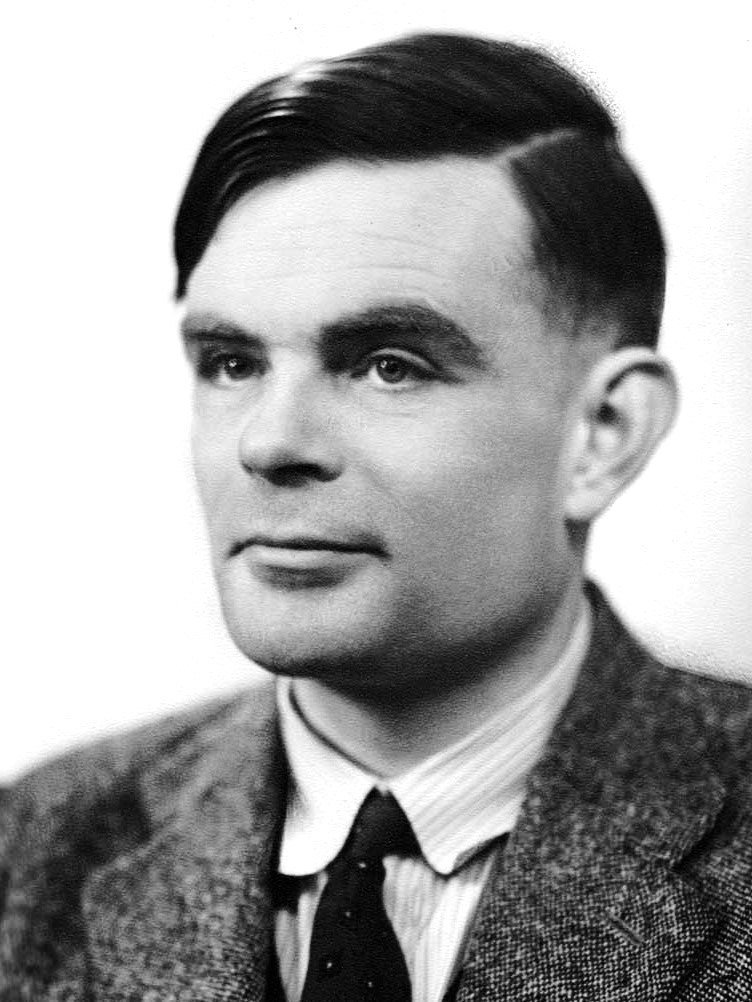
A previously overlooked short story written by Alan Turing is now drawing attention from scholars who study World War 2 history. The narrative, titled Pryce's Buoy, was discovered among Turing's personal papers and offers researchers a fresh perspective on the brilliant mathematician's thinking during the wartime period. Professor Sarah Dillon, a leading expert on this era, believes the story provides valuable clues about how Turing understood his own groundbreaking work in codebreaking.
Who Was Alan Turing
Alan Turing was an English mathematician and logician whose contributions to World War 2 were enormous. Working at Bletchley Park, the secret British facility where codebreakers worked, Turing helped design machines that could crack enemy communication codes. His innovations were credited with shortening the war and saving countless lives, though much of his work remained classified for decades after 1945.
What the Story Reveals
According to Professor Dillon, Pryce's Buoy contains symbolic and philosophical reflections that appear connected to Turing's wartime experiences. The short story allows readers to understand not just what Turing accomplished, but how he processed the enormous responsibility of his position. Scholars note that Turing often expressed his complex feelings through creative writing rather than direct statements, making literary works crucial for understanding his internal world.
Why This Matters Today
The discovery reinforces how much we can learn from examining an individual's complete body of work, including lesser-known pieces. This finding encourages historians and literary scholars to collaborate more closely when studying significant historical figures. By piecing together different types of evidence, researchers develop a more nuanced and complete picture of the past.
A Growing Interest
Interest in Turing's life and legacy has increased substantially in recent years, supported by popular films and documentaries. This renewed attention has prompted institutions to reexamine archives more carefully, uncovering materials that had previously been overlooked. Professor Dillon's work demonstrates that even well-documented historical figures can still surprise us with new insights when we look more carefully at all available sources.
Discussion Questions
- Why do you think scholars are interested in studying creative works alongside more formal historical records? What can stories teach us that traditional documents cannot?
- Have you ever read or seen a film about World War 2? What aspects of that period fascinate you most, and why?
- Professor Dillon suggests that Turing expressed his feelings through writing rather than direct statements. Is this true for many people? How do you prefer to express your thoughts and emotions?
- What do you think might happen if historians found similar overlooked materials from other famous historical figures? How might this change our understanding of them?
- The article mentions that Turing's work remained classified for many years. Do you think governments should keep historical secrets, or should everything eventually become public? What are the advantages and disadvantages?
Open the full interactive lesson with tap-to-hear on every word →