Career Disruption: How Endometriosis Affects Professional Lives
Listen
Vocabulary
Article
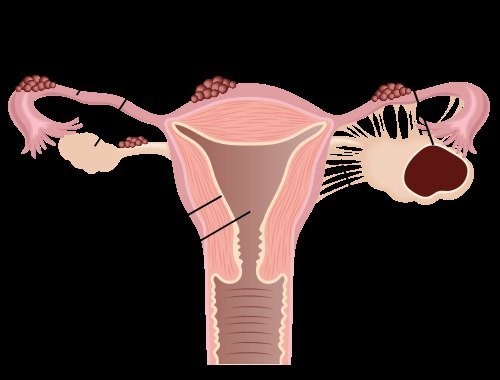
A chronic gynecological condition called endometriosis has prompted parliamentary scrutiny in the United Kingdom, as mounting evidence suggests the disease substantially impedes women's professional trajectories. The condition occurs when tissue similar to the uterine lining develops outside the uterus, causing severe pain and systemic complications. Recent testimonies from affected women have illuminated how this debilitating disease forces individuals to reconsider or abandon lucrative careers.
The Modelling Industry's Intolerance
One former fashion model disclosed that she abandoned a promising career after experiencing incapacitating episodes of syncope—fainting spells—triggered by her endometriosis symptoms. The physical demands of the modelling profession, coupled with the unpredictability of her condition, rendered her unable to fulfill professional obligations reliably. Her narrative exemplifies how certain industries offer minimal flexibility for individuals managing chronic conditions.
Widespread Professional Consequences
Beyond the fashion sector, endometriosis compromises productivity and career advancement across diverse fields. Sufferers frequently encounter presenteeism—attending work while functionally impaired—or face forced absences that jeopardize their professional standing. The psychological toll of managing an invisible illness while maintaining career aspirations compounds these challenges, as colleagues and employers often fail to comprehend the severity of symptoms.
Systemic Inadequacies
The parliamentary inquiry addresses fundamental inadequacies in medical diagnosis, workplace accommodation, and social understanding of endometriosis. Medical literature suggests diagnosis delays averaging seven to ten years remain commonplace, during which individuals suffer without proper intervention. Furthermore, employment legislation frequently fails to provide substantive protections for those managing chronic conditions.
Implications and Reform
These testimonies underscore the necessity for comprehensive workplace policies, enhanced medical training regarding endometriosis, and broader societal recognition of chronic disease impacts. Reform advocates contend that supporting individuals with endometriosis ultimately benefits economies through sustained workforce participation and reduced healthcare expenditures associated with delayed diagnosis and untreated complications.
Discussion Questions
- To what extent do you believe employers should accommodate employees with invisible chronic illnesses, and what specific workplace modifications might prove most effective?
- How might the significant diagnostic delays in endometriosis treatment compound the career disruption experienced by affected individuals, both psychologically and practically?
- What structural barriers within competitive industries like modelling prevent individuals with chronic conditions from sustaining their careers, and how might these sectors evolve?
- How does the distinction between sympathy and substantive support manifest in workplace environments, and why is genuine accommodation particularly challenging to implement?
- What role should medical education reform play in improving both diagnosis rates and healthcare providers' understanding of endometriosis' socioeconomic implications?
Open the full interactive lesson with tap-to-hear on every word →