England's Obesity Crisis: How Numbers Have Changed
Listen
Vocabulary
Article
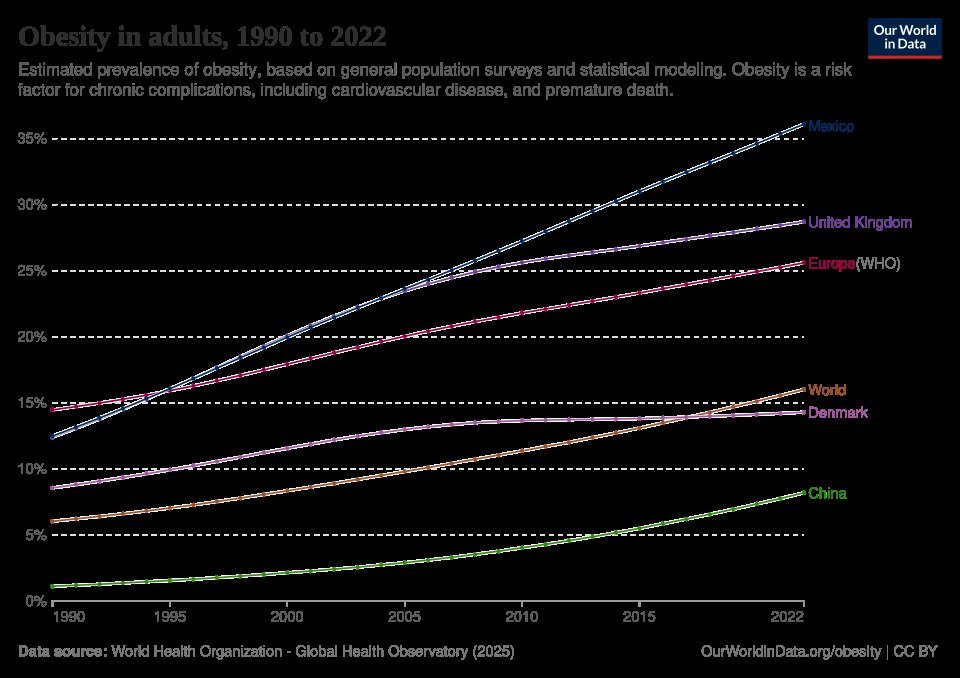
Over the past three decades, England has experienced a dramatic increase in obesity among adults. Since 1993, the proportion of people living with obesity has roughly doubled, which means that millions more individuals now struggle with weight-related health challenges. If obesity rates had remained at their 1993 levels, approximately seven million fewer adults would be dealing with this condition today. This striking change highlights a significant public health issue that affects not only individuals but also healthcare systems across the country.
Understanding the Numbers
To understand what has happened, we need to recognize that obesity rates reflect the percentage of the adult population classified as obese based on their body mass index. The doubling of these rates suggests that lifestyle factors have shifted considerably over the last thirty years. Whether through changes in diet, work environments, or physical activity levels, contemporary society looks quite different from the England of the early 1990s.
Contributing Factors
Many experts point to several reasons for this trend. Processed foods have become increasingly accessible and affordable, while traditional home cooking has declined among many households. Additionally, modern work often involves sitting at desks rather than physical labor, and transportation patterns have changed significantly. Technology and entertainment have also transformed leisure time, with screens replacing outdoor activities for many people.
Health Implications
The consequences of rising obesity are substantial. Extra weight increases the risk of developing serious health conditions including heart disease, type 2 diabetes, and certain cancers. These conditions not only affect individuals' quality of life but also place considerable strain on the National Health Service, which must allocate resources to treat obesity-related illnesses.
Moving Forward
Addressing this challenge requires cooperation between individuals, communities, and government. Public health campaigns, improved food labeling, urban planning that encourages walking, and workplace wellness initiatives all play important roles. Without significant intervention, experts worry that obesity rates may continue climbing, making prevention and education increasingly urgent priorities for England's future health.
Discussion Questions
- What do you think are the three most important reasons why obesity has doubled in England since 1993? Explain your reasoning.
- How do you think lifestyle differences between 1993 and today have contributed to this health trend? Consider work, food, transportation, and entertainment.
- In your opinion, should governments play a larger role in addressing obesity through policies and campaigns, or should individuals bear primary responsibility for their health choices?
- What practical changes could communities implement to make healthier living more accessible and appealing to ordinary people?
- How might rising obesity affect England's economy and healthcare system in the coming decades if current trends continue?
Open the full interactive lesson with tap-to-hear on every word →