Building Support Networks for Endometriosis
Listen
Vocabulary
Article
A resident of Medway has become an advocate for establishing specialized wellbeing centers dedicated to supporting individuals who experience endometriosis. This initiative emerges from a recognition that those suffering from this chronic condition often feel isolated in their struggle, lacking adequate communal resources and understanding from healthcare systems and society at large.
Understanding the Condition
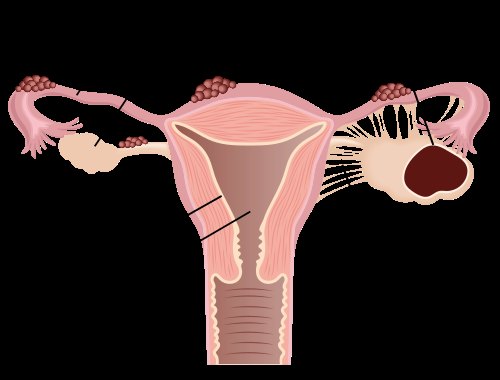
Endometriosis is a complex gynecological disorder wherein tissue similar to the uterine lining develops abnormally outside the uterus, frequently causing debilitating pain and other complications. The condition affects millions globally, yet it remains underdiagnosed and frequently misunderstood, both medically and socially. Individuals may endure years of suffering before receiving an accurate diagnosis, during which time their symptoms are often dismissed or attributed to other causes.
The Case for Dedicated Hubs
The proposed wellbeing hubs would function as multidisciplinary centers offering comprehensive support encompassing medical consultation, mental health counseling, peer support groups, and evidence-based treatment information. Such facilities would legitimize the experiences of patients while facilitating knowledge-sharing among individuals confronting similar challenges. This holistic approach acknowledges that endometriosis extends beyond physical pain, often impacting psychological well-being, relationships, and professional productivity.
Community and Awareness
Establishing these centers would simultaneously serve an educational function, raising awareness among healthcare providers and the general public about endometriosis's pervasive impact. By normalizing discussions around the condition and validating patient experiences, these hubs could reduce the stigma and marginalization that many individuals currently experience. Furthermore, they would generate valuable data about prevalence and outcomes, informing future research and policy decisions.
Moving Forward
The advocacy for endometriosis wellbeing hubs represents a paradigm shift toward patient-centered care that recognizes both the medical and psychosocial dimensions of chronic illness. Implementation of such infrastructure would demonstrate institutional commitment to addressing the needs of underserved populations, ultimately improving quality of life for countless individuals navigating this challenging condition.
Discussion Questions
- The article suggests that endometriosis remains underdiagnosed despite affecting millions globally. What systemic barriers might contribute to this diagnostic gap, and how could wellbeing hubs help address them?
- How might a multidisciplinary approach to endometriosis care differ from traditional medical models, and what advantages could this integration offer patients?
- The initiative emphasizes the psychosocial dimensions of chronic illness. Why might mental health and peer support be equally important as medical treatment for conditions like endometriosis?
- In what ways could raising awareness about endometriosis within healthcare communities improve patient outcomes and reduce stigmatization?
- Considering the proposed wellbeing hubs would generate valuable data on prevalence and outcomes, how might this information influence future research directions and healthcare policy?
Open the full interactive lesson with tap-to-hear on every word →