US Inflation Moderates as Price Growth Slackens
Listen
Vocabulary
Article
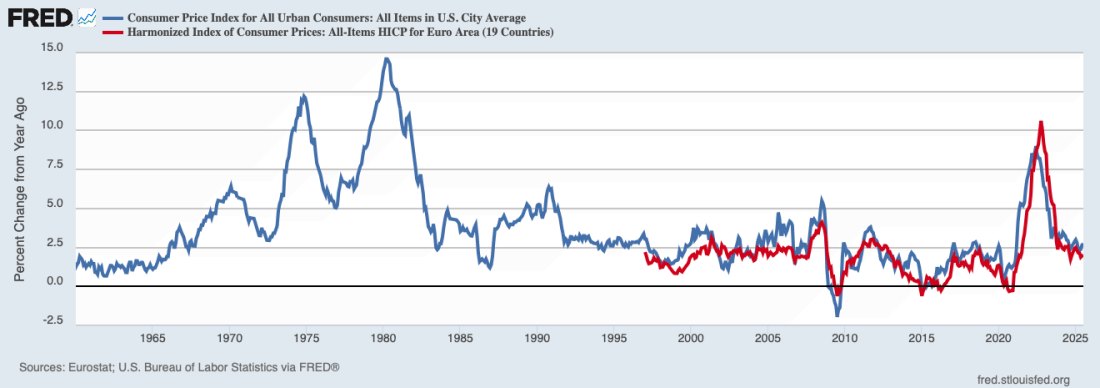
The United States has achieved a meaningful deceleration in its inflationary trajectory, with the annual inflation rate declining to 3.4 percent in July. This moderation reflects a notable easing in previously volatile sectors, particularly food and energy markets, though persistent pressures in the housing sector continue to constrain broader price stability. The development signals potential progress in the Federal Reserve's sustained effort to restore price equilibrium without precipitating economic contraction.
Food Prices Retreat
Diminishing food costs represent one of the most consequential drivers of the inflation slowdown. Agricultural commodity prices have stabilized considerably following months of elevated expenses, thereby affording consumers some relief at supermarket checkouts. This moderation in food inflation, which had disproportionately burdened lower-income households, suggests that supply chain disruptions may be gradually resolving, allowing market mechanisms to function more efficiently.
Energy Sector Stabilization
Concurrently, energy prices have exhibited relative stability compared to their recent volatility. Petroleum and natural gas markets have cooled from their earlier spikes, reducing transportation and heating costs for both consumers and businesses. This stabilization diminishes the cascading inflationary pressures that energy price fluctuations typically generate throughout the broader economy.
Housing's Persistent Drag
Despite these encouraging developments, the residential real estate sector remains an inflationary headwind. Shelter costs, encompassing both rent and homeownership expenses, continue to expand at rates exceeding overall inflation, reflecting structural imbalances in housing supply and persistent demand. This sectoral resistance complicates the Federal Reserve's inflation containment objectives.
Economic Implications
The deceleration in inflation, while encouraging, remains moderately elevated relative to the Federal Reserve's two-percent target. Policymakers must balance the imperative to further reduce price growth against the risk of imposing excessive economic restraint. The trajectory of inflation will substantially influence forthcoming monetary policy decisions and financial market performance.
Discussion Questions
- How might the easing of food and energy prices differently impact consumers at various income levels, and what are the implications for policy design?
- What structural factors in the housing sector distinguish it from other inflationary pressures, and how might policymakers address this sectoral challenge?
- To what extent does an inflation rate of 3.4 percent represent genuine progress toward price stability, and what additional conditions would demonstrate sustained recovery?
- How might moderating inflation influence the Federal Reserve's strategic calculus regarding future interest rate adjustments and the potential economic trade-offs involved?
- What mechanisms might explain the stabilization of energy markets, and how sustainable is this moderating trend given geopolitical and global supply considerations?
Open the full interactive lesson with tap-to-hear on every word →