Simultaneous Fires Force Mass Evacuation on Salamina
Listen
Vocabulary
Article
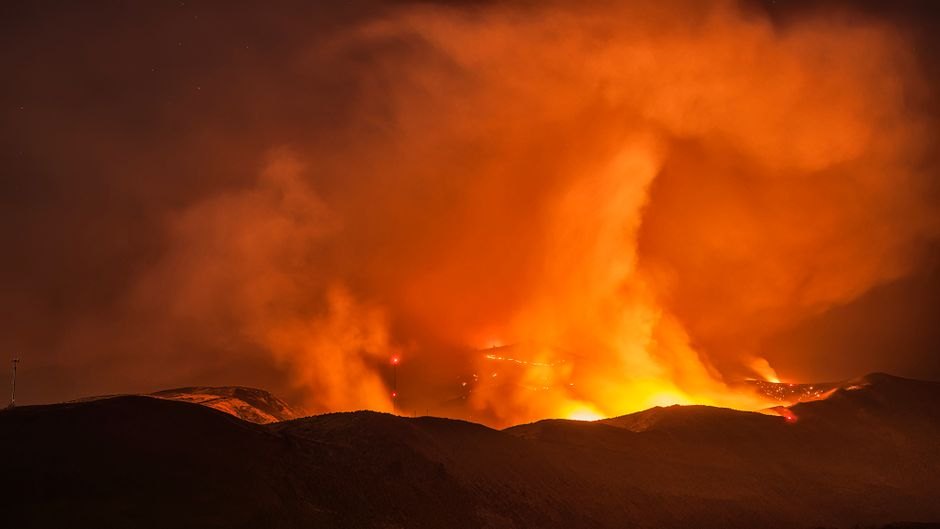
A catastrophic situation unfolded on Salamina, a Greek island in the Saronic Gulf, when two separate fires ignited and threatened to merge into a single, uncontrollable conflagration. The authorities immediately initiated mass evacuation procedures as approximately two hundred firefighters mobilized to contain the blazes and prevent their convergence. The simultaneous emergence of these fires prompted emergency response protocols designed to protect the island's residents from potential devastation.
The Emergency Response
The magnitude of the firefighting operation underscored the severity of the threat posed by the twin fires. Firefighters strategically positioned themselves to establish barriers between the two burning areas, recognizing that their junction would exponentially increase both the intensity and unpredictability of the conflagration. This preventative approach demanded coordinated effort, specialized equipment, and sustained vigilance throughout the critical hours.
Evacuation and Loss
Hundreds of residents received evacuation orders and were relocated from vulnerable zones to designated safety areas. The scramble to move so many people in compressed timeframes created logistical challenges that tested emergency management systems. Tragically, despite extensive rescue and firefighting efforts, two individuals perished in the disaster, representing an irreplaceable human cost.
Containing the Crisis
As daylight operations progressed, firefighters successfully brought one of the two blazes under control, substantially reducing the immediate risk of catastrophic convergence. This achievement represented a critical turning point, though the remaining fire still demanded intensive suppression efforts. The controlled fire offered hope that comprehensive containment remained attainable, contingent upon sustained resources and favorable weather conditions.
Broader Implications
The incident raised pertinent questions regarding wildfire vulnerability in Mediterranean regions and the adequacy of preventative infrastructure. Climate patterns, topographical features, and seasonal drought conditions coalesce to create environments conducive to rapid fire spread. This event reinforces the necessity for comprehensive disaster preparedness and interagency coordination in island communities vulnerable to such emergencies.
Discussion Questions
- Array
- Array
- Array
- Array
- Array
Open the full interactive lesson with tap-to-hear on every word →