Surgeons Remove Exceptionally Large Bladder Stone
Listen
Vocabulary
Article
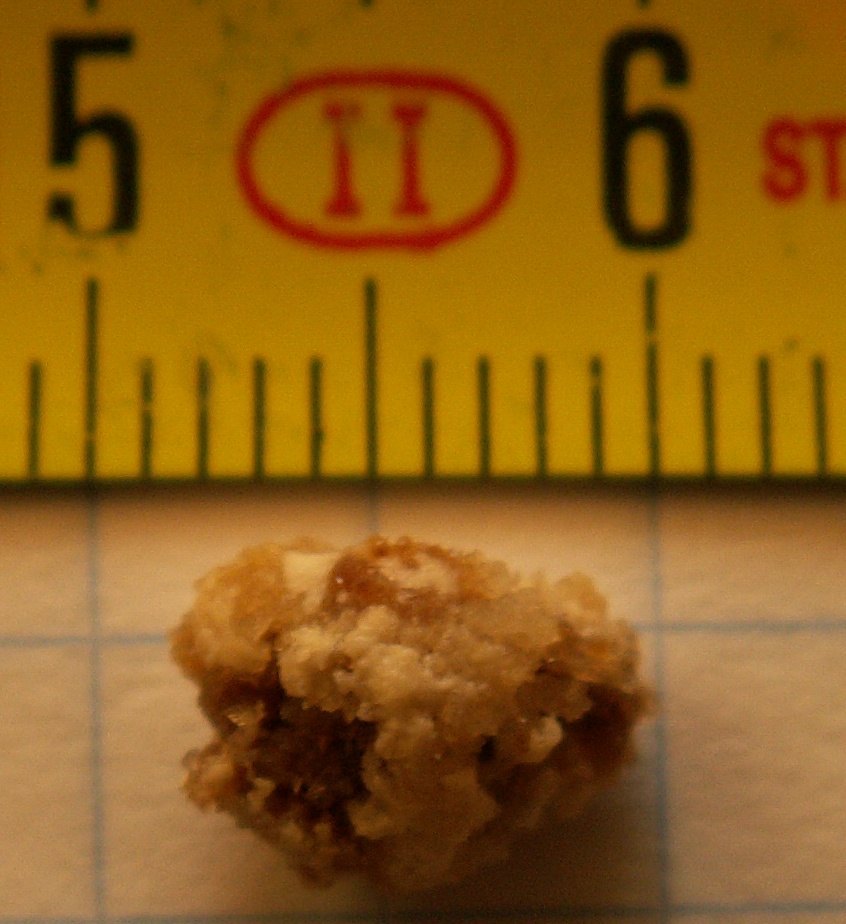
Medical professionals in Sri Lanka recently completed an unusual surgical procedure that resulted in the removal of a bladder stone of record-breaking proportions. The stone, which weighed more than three kilograms, was successfully extracted from a patient during an operation performed last week. This remarkable case has drawn attention within the medical community due to the exceptional size of the calcification and the complexity involved in its removal.
Understanding Bladder Stones
Bladder stones form when mineral deposits accumulate and crystallize inside the bladder over an extended period. These formations typically develop when urine becomes concentrated or when the bladder cannot empty completely. Although small stones sometimes pass naturally through the urinary system, larger ones like this recent case require surgical intervention to prevent serious complications.
The Surgical Procedure
The team of surgeons employed established medical techniques to safely locate and dislodge the massive stone. The procedure demanded considerable expertise, as removing such a large object required careful planning to minimize damage to surrounding tissue. Following the successful extraction, the patient's condition improved substantially, and medical staff monitored recovery closely during the postoperative period.
Clinical Significance
Cases involving unusually large bladder stones remain relatively uncommon in modern healthcare systems where preventive measures and early detection are prioritized. This particular surgery represents an achievement in surgical capability and highlights the importance of timely medical intervention. The stone's dimensions exceeded those documented in most contemporary cases, making this a notable event in the hospital's medical records.
Patient Outcomes
The successful outcome demonstrates how advanced surgical techniques can resolve even the most challenging urological conditions. Such cases underscore the critical role that skilled medical professionals play in addressing complex health situations. The procedure serves as an encouraging example for patients facing comparable diagnoses that surgery can offer effective solutions.
Discussion Questions
- What factors do you think contributed to such a large stone forming in the patient's bladder over time?
- How might early detection and preventive care have changed the course of this patient's treatment?
- What qualities do you think surgical teams need when managing unusually complex medical cases like this one?
- Why do you suppose cases involving exceptionally large bladder stones are relatively uncommon today compared to the past?
- How do you imagine this surgical success might influence other patients who have similar conditions and are considering treatment options?
Open the full interactive lesson with tap-to-hear on every word →