Western Nations Challenge Israeli Settlement Expansion
Listen
Vocabulary
Article
Five major Western democracies have issued a collective statement opposing Israel's proposed expansion of settlements in the West Bank. The United Kingdom, France, Germany, Italy, and Canada have expressed serious concerns regarding plans that would significantly increase residential construction in this contested territory. Their coordinated response underscores growing international apprehension about the geopolitical implications of such development initiatives.
Strategic Significance
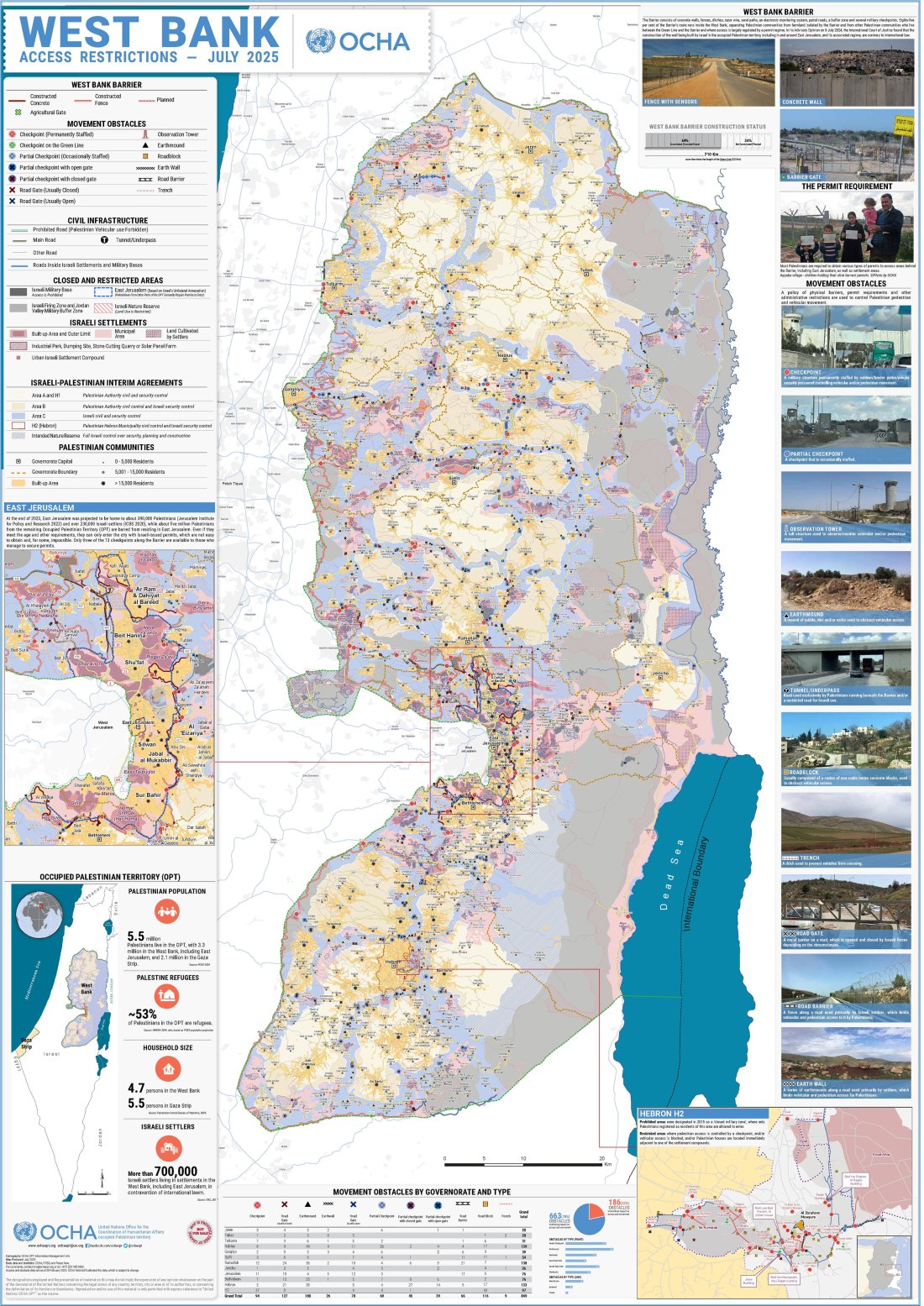
The West Bank represents a geographically crucial region that both Israeli and Palestinian authorities claim as integral to their respective territorial sovereignty. The area's strategic positioning has consistently made it a focal point in negotiations between these two parties. International observers recognize that settlement expansion fundamentally alters the demographic and political landscape, potentially complicating future diplomatic resolutions.
International Consensus
The unified stance adopted by these five nations reflects a broader Western consensus that such unilateral actions undermine peace negotiations. Rather than pursuing bilateral agreements through dialogue, critics contend that settlement proliferation represents a fait accompli strategy. This approach, according to international law experts, potentially violates established conventions regarding occupied territories.
Diplomatic Pressure
By coordinating their condemnation, these governments are employing diplomatic channels to exert meaningful pressure on Israeli authorities. Such multilateral statements carry considerably more weight than individual national positions. However, enforcement mechanisms remain limited, as these nations lack direct coercive instruments beyond economic and diplomatic consequences.
Ongoing Tensions
This recent development exemplifies the enduring complexities surrounding Israeli-Palestinian relations. Periodic settlement expansions consistently provoke international responses, yet substantive structural changes remain elusive. The cyclical nature of these disputes suggests that comprehensive solutions require sustained commitment from all stakeholders involved.
Discussion Questions
- How might unilateral territorial actions affect the prospects for negotiated settlements between conflicting parties?
- What mechanisms could international organizations employ to enforce compliance with territorial agreements more effectively?
- Why might demographic changes in contested territories carry particular significance for long-term political stability?
- To what extent can diplomatic statements without enforceable consequences genuinely influence governmental policy decisions?
- How do historical precedents of settlement patterns inform contemporary international responses to territorial disputes?
Open the full interactive lesson with tap-to-hear on every word →