Understanding America's Debt Crisis and Economic Risks
Listen
Vocabulary
Article
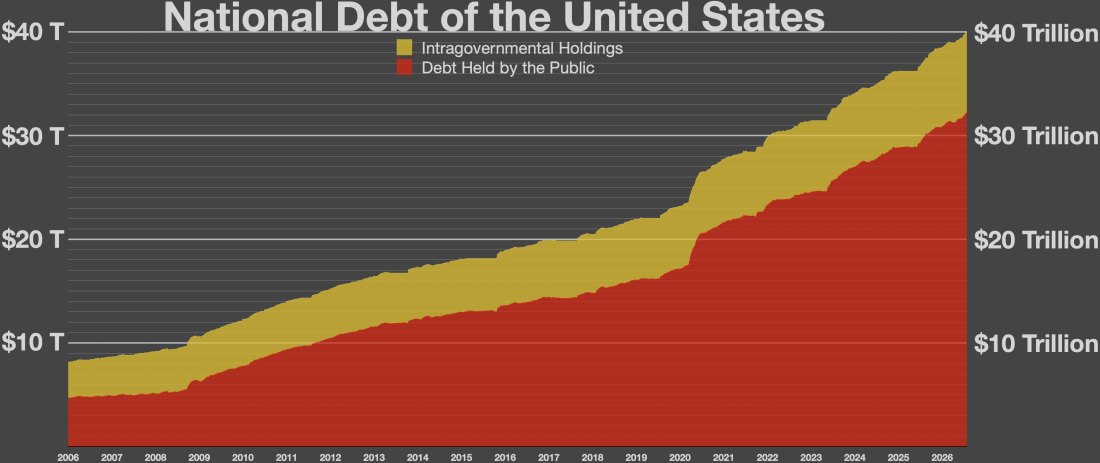
The United States recently surpassed a significant debt threshold, prompting economists and policymakers to reassess the long-term viability of the nation's fiscal trajectory. While the absolute figures appear alarming to many observers, the substantive question remains whether this development represents an imminent threat to macroeconomic stability or constitutes a manageable challenge within the context of a large, sophisticated economy.
The Mechanics of National Debt
National debt accumulates when governments spend more revenue than they collect through taxation and other sources. In the American context, this phenomenon has intensified over decades due to structural budget deficits, military expenditures, and entitlement programs whose obligations continue to expand. The federal government finances these shortfalls by issuing Treasury securities that investors purchase domestically and internationally.
Why Scale and Context Matter
Evaluating debt severity requires understanding the relationship between absolute debt levels and the overall economic capacity to service those obligations. The United States possesses the world's largest GDP, substantial tax-generating capacity, and the advantage of borrowing in its own currency. These factors differentiate American debt dynamics from those of smaller economies operating under different constraints and currency limitations.
The Interest Rate Dimension
As the Federal Reserve elevated interest rates to combat inflation, the cost of servicing existing debt increased substantially. When the government refinances maturing bonds at higher rates, budgetary pressures intensify. This creates a potential feedback loop where escalating interest payments consume larger portions of the budget, leaving fewer resources for discretionary spending and infrastructure investment.
Political Gridlock and Long-term Solutions
Addressing structural deficits requires politically contentious decisions regarding revenue enhancement or spending constraints. Congress has historically demonstrated reluctance to implement comprehensive fiscal reforms, instead opting for temporary resolutions and crisis negotiations. Without substantive policy interventions, debt trajectories suggest unsustainable dynamics within several decades, necessitating difficult choices about the nation's budgetary priorities.
Balancing Anxiety and Perspective
While legitimate concerns about fiscal sustainability warrant serious attention, immediate economic collapse remains unlikely given institutional resilience and global confidence in American financial instruments. Nevertheless, procrastination on reform increases the magnitude of future adjustments required. Prudent governance demands proactive measures rather than reactive crisis management when fiscal pressures become acute.
Discussion Questions
- To what extent should policymakers prioritize deficit reduction in the short term, knowing that such measures might slow economic growth, versus maintaining current spending levels and addressing debt sustainability over decades?
- How do you reconcile the apparent contradiction between the United States being the world's largest economy while simultaneously facing serious structural budget challenges? What economic factors prevent immediate crisis despite the debt levels?
- Compare the fiscal challenges facing the United States with those of other major economies like Japan or European nations. What structural differences exist that might allow some countries to sustain higher debt-to-GDP ratios than others?
- Examine the political obstacles to implementing comprehensive fiscal reform. Which stakeholder groups would resist revenue increases or spending reductions, and why might compromise prove so difficult in democratic systems?
- If significant policy changes do not occur, what consequences might younger generations face regarding taxation, government services, or economic opportunities in the coming decades?
Open the full interactive lesson with tap-to-hear on every word →