Is It Safe to Eat Eggs? What You Need to Know
Listen
Vocabulary
Article
Health officials in the United Kingdom recently announced that salmonella bacteria has spread to many people across the country. So far, one person has died from this illness, and hundreds of others have become sick. This news has made many people worried about eating eggs, since salmonella is often connected to egg products.
What Is Salmonella?
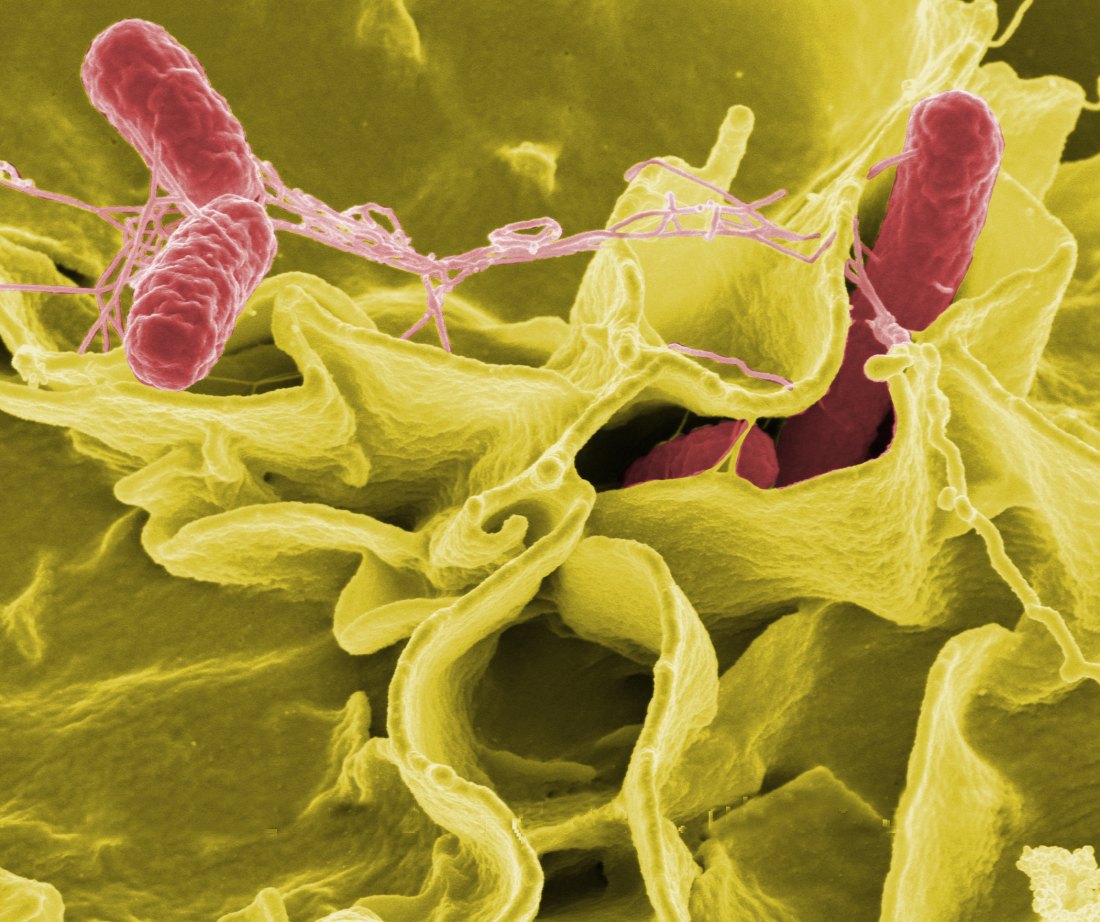
Salmonella is a type of harmful bacteria that lives in food and can make people very ill. When someone eats food that contains salmonella, they can develop a serious stomach infection. The sickness usually causes diarrhea, fever, and stomach pain. Most people recover within one week, but older people and young children face greater danger.
Where Does Salmonella Come From?
Salmonella can be found in raw eggs, chicken, and other animal products. The bacteria can contaminate food during production or handling. However, salmonella dies when food is cooked at high temperatures. This means that properly cooked eggs are generally safe to eat. The risk increases when eggs are undercooked or eaten raw.
Are Eggs Still Safe?
Health experts say that people should not stop eating eggs completely. Instead, they recommend cooking eggs fully until both the white and yellow parts are solid. People should also practice good food safety habits, like washing their hands and keeping raw eggs separate from other foods. In supermarkets, many eggs now come from farms that vaccinate chickens against salmonella, making them safer.
What Should You Do?
If you become ill with stomach problems after eating eggs, you should drink plenty of water and rest. Talk to a doctor if symptoms continue for more than a few days. To prevent infection, always cook eggs thoroughly and store them properly in the refrigerator. By following these simple steps, you can enjoy eggs while protecting yourself and your family.
Discussion Questions
- Have you ever experienced food poisoning? What symptoms did you have, and how long did it take you to feel better?
- What food safety habits do you already practice in your kitchen? Are there any new habits you should start doing?
- Some people believe that all eggs are dangerous, but health officials say cooked eggs are safe. Why do you think people sometimes misunderstand news about food safety?
- What is the difference between washing eggs and cooking eggs thoroughly? Which one is more important for preventing salmonella?
- Would this news about salmonella affect whether you eat eggs? Why or why not?
Open the full interactive lesson with tap-to-hear on every word →