Tourist's Death in Desert Highlights Extreme Travel Risks
Listen
Vocabulary
Article
A 68-year-old French tourist perished in Death Valley, California, after his vehicle became immobilized in muddy terrain during exceptionally severe heat. Authorities discovered his body in the expansive salt flats region where temperatures had reached 116 degrees Fahrenheit, creating lethal conditions for human survival. The incident underscores the formidable dangers that can confront travelers who venture into America's most inhospitable landscapes without adequate preparation or contingency plans.
Environmental Hazards of Death Valley
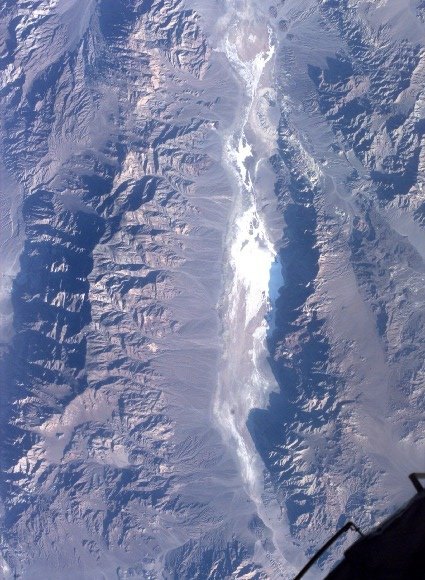
Death Valley holds the distinction of being one of Earth's most extreme environments, with scorching daytime temperatures that routinely exceed 120 degrees. The terrain comprises vast salt flats, canyons, and bajadas where water sources are virtually nonexistent. Vehicles can become trapped in unexpected muddy patches, particularly after rare precipitation events. Rescue operations in this desolate region prove enormously challenging due to the immense distances involved and the severe climatic conditions that impede emergency response.
Critical Factors in the Tragedy
The combination of vehicle entrapment and overwhelming heat created a catastrophic situation. The tourist apparently lacked adequate supplies such as water, shade, or communication equipment to sustain himself while awaiting rescue. Temperatures in the sun can become life-threatening within hours, accelerating dehydration and heat-related physiological deterioration. Experts emphasize that survival in such circumstances depends critically upon preparation and resource availability.
Safety Recommendations for Desert Travelers
Park authorities consistently advise visitors to adhere to designated roads, maintain fuel reserves, and carry copious quantities of water. Travelers should inform others of their itineraries and expected return times. Modern navigation technology and satellite communication devices have become indispensable precautions. Underestimating environmental hazards remains a persistent factor in preventable deaths within remote regions.
Broader Implications
This incident exemplifies the vulnerability of human beings when confronting natural forces. Tourism in extreme environments necessitates profound respect for environmental constraints and meticulous planning. Such tragedies motivate ongoing discussions regarding visitor education, infrastructure improvements, and realistic assessment of personal limitations when pursuing adventure tourism in unforgiving landscapes.
Discussion Questions
- What specific preparations do you believe would have been essential for this traveler to survive such circumstances, and how do they reflect broader principles of risk management?
- To what extent should governments restrict tourist access to genuinely dangerous environments, and where should the boundary between personal freedom and public safety be established?
- How do cultural differences in risk perception and environmental awareness influence tourism patterns across different nationalities and regions?
- What technological innovations might significantly improve survival prospects for stranded travelers in remote, inhospitable landscapes?
- Discuss the tension between promoting tourism revenue and protecting both visitors and rescue personnel who operate in extreme desert environments.
Open the full interactive lesson with tap-to-hear on every word →