Devastating Tornado Strikes French Village
Listen
Vocabulary
Article
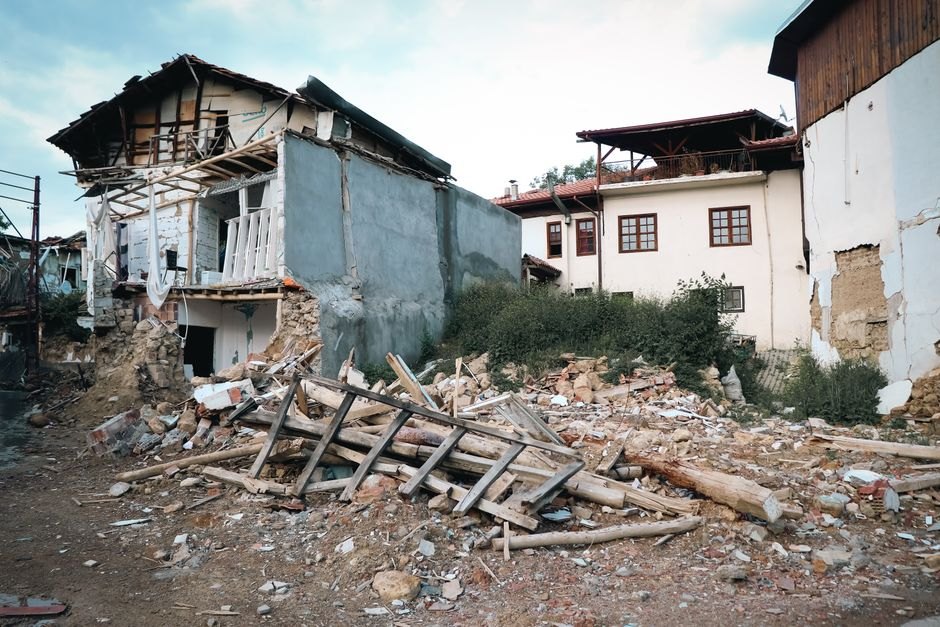
A powerful tornado ravaged the southwestern French village of Pomas, leaving considerable destruction in its wake. The meteorological event resulted in widespread property damage across the community, with hundreds of residential structures sustaining significant harm. Emergency responders transported fifteen residents to medical facilities for treatment of injuries sustained during the disaster.
Extent of the Devastation
The tornado's path of destruction encompassed a substantial portion of the village's housing infrastructure. Investigators documented that numerous homes experienced severe structural compromise, ranging from roof damage to complete architectural failure. The scale of property destruction necessitated extensive emergency response coordination, with authorities establishing multiple relief operations to address immediate community needs.
Emergency Response Efforts
Local authorities mobilized rapidly to manage the crisis and provide humanitarian assistance to affected residents. Medical personnel evaluated and treated those injured during the meteorological phenomenon, while emergency management teams worked to secure damaged properties and restore essential services. Search and rescue operations continued as officials assessed the full magnitude of infrastructure damage throughout the affected region.
Community Resilience
The residents of Pomas confronted an unprecedented natural disaster that fundamentally disrupted their daily existence. Despite the formidable challenges presented by the tornado's destructive force, community members began organizing collective recovery initiatives. Local organizations coordinated resource distribution and established support networks to facilitate the long-term reconstruction process.
Climate and Natural Hazards
Tornadic events in southwestern France remain relatively uncommon, making this occurrence particularly noteworthy from a meteorological perspective. Climate scientists continue examining how atmospheric conditions contribute to severe weather phenomena in European regions. Enhanced understanding of these natural hazards enables communities to implement more effective preparedness strategies and protective infrastructure development.
Discussion Questions
- How might the experience of this tornado influence how residents approach disaster preparedness and emergency planning in the future?
- What role do you think meteorological research and climate analysis play in helping communities anticipate and prepare for severe weather events?
- In what ways can community infrastructure be redesigned to better withstand natural disasters like tornadoes?
- How do you think the recovery process differs for rural villages like Pomas compared to larger urban centers experiencing similar natural disasters?
- What psychological and social impacts might residents face during the long-term reconstruction period following such a significant traumatic event?
Open the full interactive lesson with tap-to-hear on every word →