Catastrophic Risk: Unstable Lake Threatens Flooding in Tibet
Listen
Vocabulary
Article
Chinese authorities have issued an urgent warning regarding a glacial lake that materialized following a significant landslide incident in the mountainous terrain between Nepal and Tibet. Geological experts express substantial concern that this newly formed body of water could rupture catastrophically within the forthcoming days, potentially unleashing devastating flooding across downstream regions. The situation exemplifies the escalating environmental vulnerabilities associated with high-altitude ecosystems and climate-related geological instability.
Formation and Composition
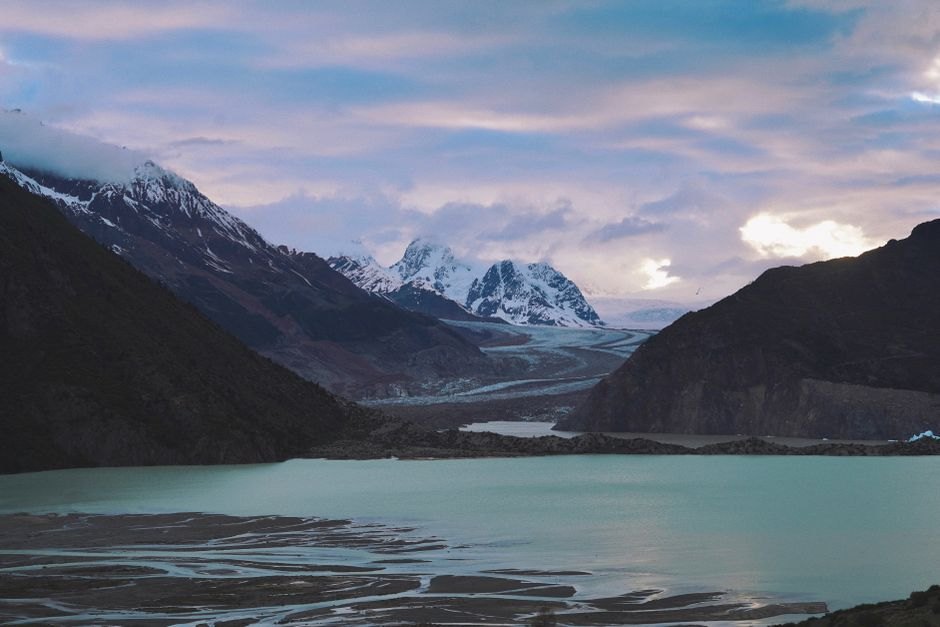
The lake's emergence resulted from a massive ground collapse that redistributed enormous quantities of rock, soil, and glacial material across the landscape. This debris effectively obstructed natural water drainage patterns, causing precipitation and glacial meltwater to accumulate behind an unstable natural barrier. The geological composition of the dam remains inherently precarious, lacking the structural integrity of engineered containment systems.
Risk Assessment and Implications
Hydrological engineers have classified the rupture probability as exceptionally elevated. Should the lake breach its temporary boundaries, the resulting torrent would propagate downslope at tremendous velocity, potentially inundating valleys, settlements, and infrastructure positioned throughout the watershed. Communities situated in downstream trajectories face pronounced exposure to this hazard.
Preparedness and Response Mechanisms
Government agencies have implemented precautionary measures, including surveillance operations and contingency planning for potential evacuations. Monitoring equipment tracks fluctuations in water volume and dam stability continuously. Regional administrators have coordinated with local communities to establish alert protocols and designated refuge zones.
Broader Environmental Context
This occurrence underscores the multifaceted challenges confronting alpine regions. Accelerated glacial retreat, intensifying precipitation events, and destabilized slopes converge to augment geological hazards substantially. Scientists attribute these phenomena partly to anthropogenic climate change, which fundamentally alters the delicate equilibrium sustaining mountainous environments.
Discussion Questions
- How might climate change contribute to increased geological hazards in alpine regions, and what mechanisms connect atmospheric warming to enhanced landslide and flood risks?
- Evaluate the adequacy of current preparedness infrastructure versus the magnitude of potential disasters in remote mountainous areas. What systemic limitations exist?
- Discuss the competing priorities between development and environmental preservation in geologically unstable regions. How should societies balance economic activities with catastrophic risk mitigation?
- Analyze the role of international cooperation in managing transboundary water hazards affecting multiple nations. What frameworks facilitate effective coordination?
- Examine the long-term environmental and socioeconomic consequences of glacial lake outburst floods beyond immediate physical damage. What cascading effects merit consideration?
Open the full interactive lesson with tap-to-hear on every word →