Food Poisoning Mystery: Where Does Salmonella Hide?
Listen
Vocabulary
Article
Many people believe that salmonella comes from salmon, but this is not accurate. Salmonella is a harmful bacteria that can live in many different foods, not just fish. Recently, health officials have reported that more people are becoming sick from salmonella food poisoning. They are working to understand where the contamination started and how it spread to consumers.
What Is Salmonella?
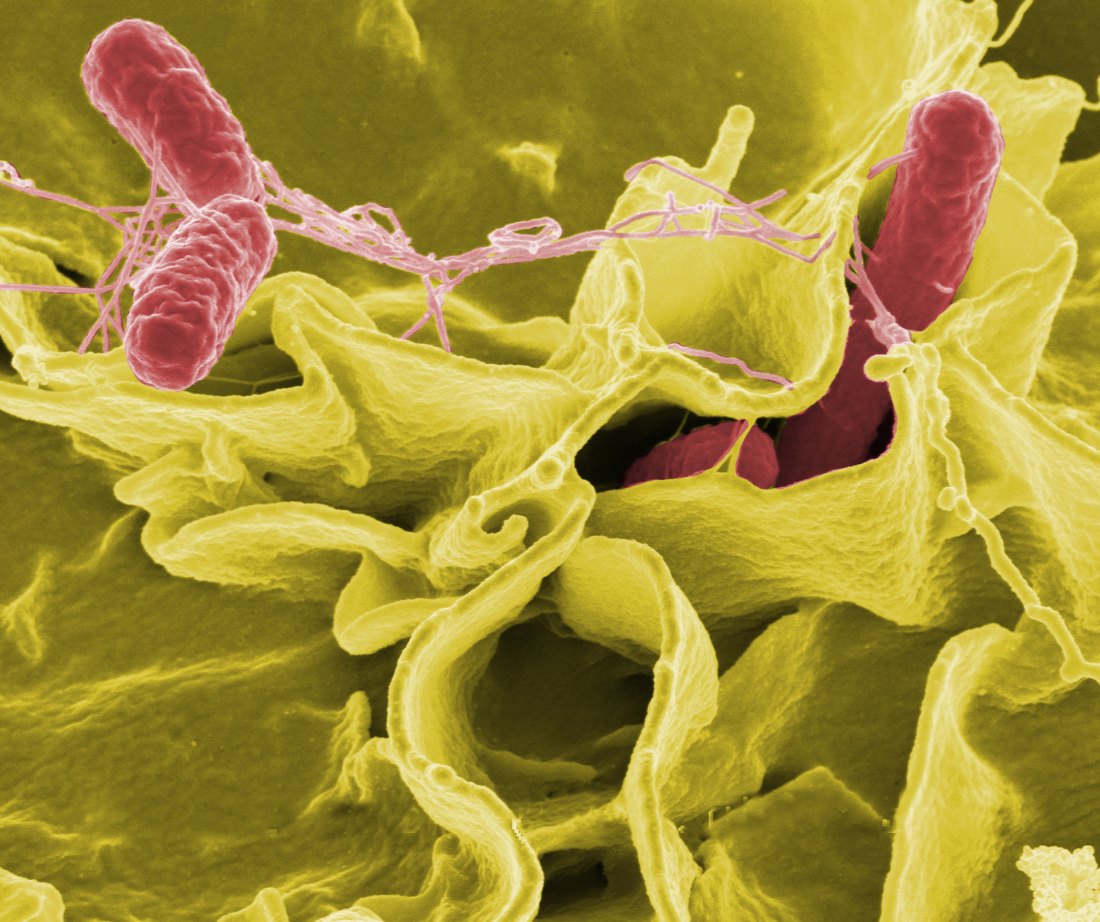
Salmonella is a type of bacteria that causes severe food poisoning. When people eat food containing this bacteria, they develop symptoms like stomach pain, diarrhea, fever, and nausea. Most people recover within a week, but some cases become serious. Young children, elderly people, and those with weak immune systems face greater risks from this illness.
Common Sources of Salmonella
Salmonella typically comes from raw or undercooked meat, poultry, and eggs. It also appears in unpasteurized dairy products and certain vegetables. Salmon and other fish can contain salmonella, but they are not the primary source. The bacteria usually enters food during production, handling, or storage when proper hygiene practices are not followed.
The Current Outbreak
In this recent outbreak, investigators are testing different foods to find the source. They examine production facilities, farms, and distribution centers. Health officials urge people to cook food thoroughly and maintain clean kitchen surfaces. People should also wash their hands frequently, especially after handling raw foods.
Protecting Yourself
You can reduce your risk of salmonella poisoning by following basic food safety rules. Always cook poultry and meat to safe temperatures. Refrigerate perishable foods promptly. Avoid eating raw eggs or unpasteurized milk products. If you develop symptoms of food poisoning, contact a healthcare provider and avoid spreading the illness to others.
Discussion Questions
- Have you ever experienced food poisoning? What happened, and how did you feel?
- Which food safety practice do you think is most important when cooking at home?
- Why do you think some people mistakenly believe salmonella comes from salmon?
- What should a person do if they suspect they have salmonella poisoning?
- How can governments and food companies work together to prevent future outbreaks?
Open the full interactive lesson with tap-to-hear on every word →