How Dolly Parton Became a Fashion Icon
Listen
Vocabulary
Article
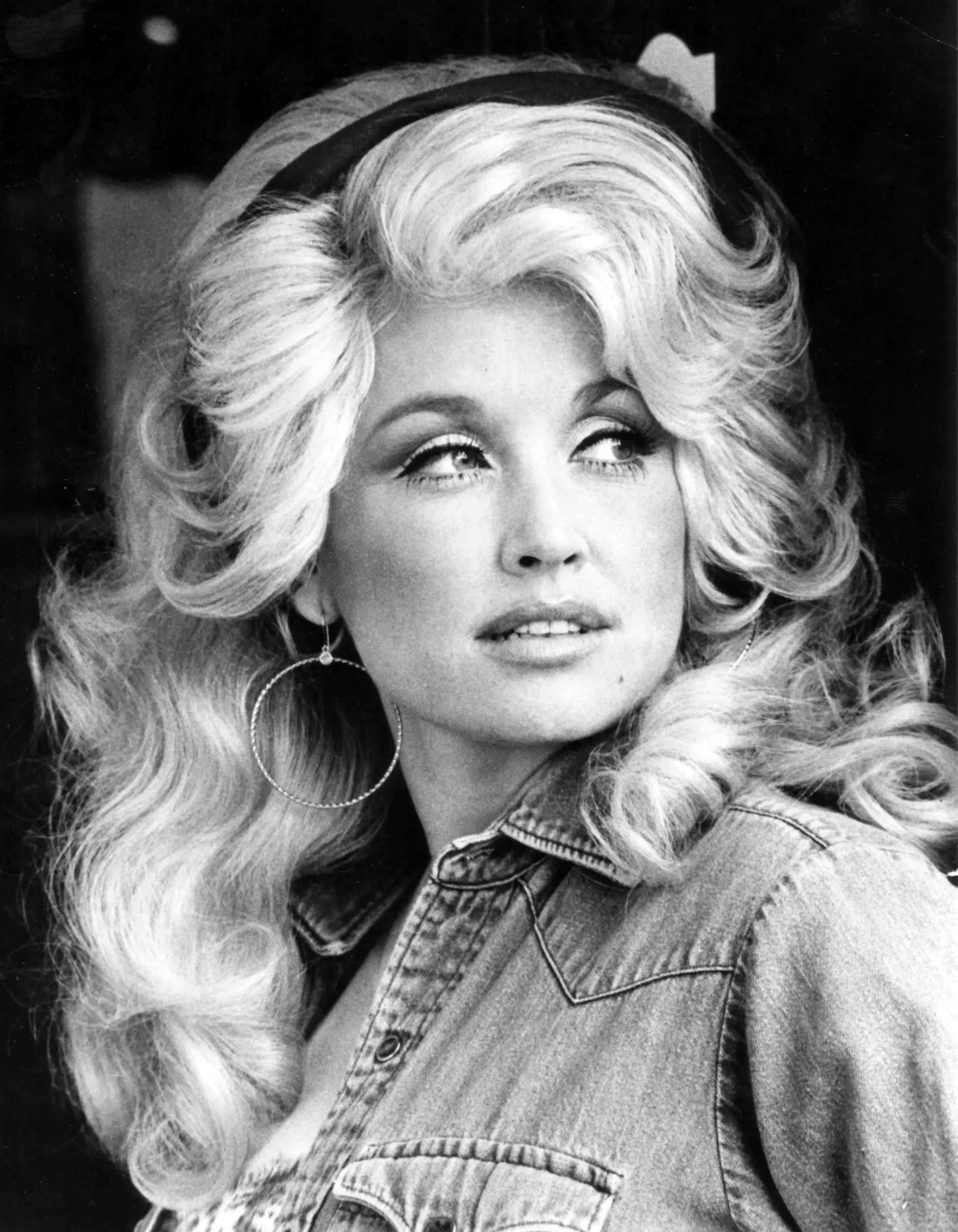
Dolly Parton's influence extends far beyond country music. The legendary singer transformed herself into a global fashion icon by developing a distinctive personal style that became instantly recognizable worldwide. Her bold fashion choices reflected her confidence and creativity, helping her connect with audiences across different cultures and generations.
Building a Signature Look
Throughout her career, Parton deliberately crafted an unforgettable appearance. She chose bright colors, elaborate jewelry, and glamorous fabrics that reflected her personality and artistic vision. Rather than following mainstream fashion trends, she created her own aesthetic that combined elements of country tradition with theatrical flair. This approach demonstrated that fashion could express individuality and cultural heritage simultaneously.
From Nashville to the World Stage
What began as a country music career gradually expanded into international recognition. Parton's distinctive style captured attention at major events, award shows, and performances across the globe. Her willingness to experiment with different looks while maintaining her core identity made her relevant to fashion enthusiasts who appreciated authenticity. She proved that personal branding through consistent style choices could enhance an artist's legacy.
Inspiring a Generation
Parton's influence on fashion extended to younger artists and designers who recognized her pioneering approach. She demonstrated that staying true to your aesthetic values could attract admiration rather than criticism. Many contemporary performers have acknowledged how her fearless attitude toward self-expression shaped their own career decisions and style philosophies.
Legacy and Impact
Today, Dolly Parton remains a symbol of creative confidence and cultural significance. Her journey shows how dedication to a personal vision, combined with genuine talent, can transcend industry boundaries. Her fashion choices continue to inspire conversations about authenticity, confidence, and the power of visual identity in entertainment.
Discussion Questions
- How do you think Dolly Parton's fashion choices influenced her career in ways that pure musical talent alone might not have achieved?
- Can you identify another public figure whose personal style has made them a fashion icon? What elements of their appearance do you find distinctive?
- Do you believe that maintaining a consistent personal style is important for building a lasting legacy? Why or why not?
- How might Dolly Parton's approach to fashion differ from the approach taken by mainstream fashion designers during her early career?
- In what ways could personal confidence about appearance influence someone's success in entertainment or other professional fields?
Open the full interactive lesson with tap-to-hear on every word →