Former Ecuadorian Leader Faces Corruption Allegations
Listen
Vocabulary
Article
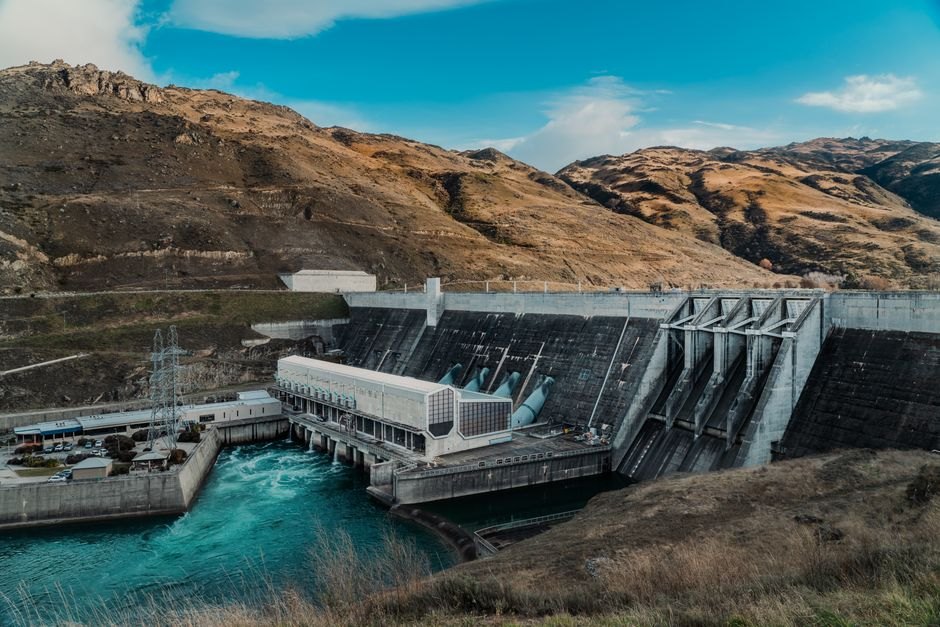
Lenín Moreno, who served as Ecuador's president until 2021, now confronts serious legal accusations involving alleged bribery. The former leader categorically denies that he accepted improper payments from a Chinese corporation in exchange for awarding a lucrative infrastructure contract. The disputed agreement concerned the construction of a substantial hydroelectric facility intended to generate electricity for the nation.
The Nature of the Allegations
Prosecutors contend that Moreno engaged in corrupt conduct by allegedly receiving bribes from the Chinese firm. The financial incentives supposedly influenced his administration's decision to grant the company exclusive rights to construct and potentially operate a major power-generating dam. Such arrangements, if substantiated, would constitute a fundamental betrayal of public trust and violate Ecuador's anti-corruption statutes.
Moreno's Response
The former president has consistently maintained his innocence, asserting that his government followed proper procedures in executing the hydroelectric contract. He argues that the decision was based solely on legitimate economic and technical considerations, not on personal financial gain. Moreno emphasizes that his administration prioritized Ecuador's developmental infrastructure and energy independence.
Broader Context
This case reflects widespread concerns regarding corporate influence in Latin American governance. Chinese investment in regional infrastructure projects has frequently generated scrutiny regarding transparency and accountability. Ecuador's judicial system now faces the challenge of determining whether sufficient evidence exists to prosecute these allegations against the prominent political figure.
Implications
The outcome of these proceedings may significantly influence public confidence in Ecuador's institutions and its commitment to combating high-level corruption. Regardless of the verdict, the case underscores the persistent vulnerability of developing nations to illicit financial arrangements involving international corporations seeking profitable contracts.
Discussion Questions
- Array
- Array
- Array
- Array
- Array
Open the full interactive lesson with tap-to-hear on every word →