Lost Doctor Who Episodes and BBC Labor Disputes
Listen
Vocabulary
Article
Marcus Hearn recently shared fascinating stories about his father's experiences working on Doctor Who during a significant period in the show's history. These recollections highlight how labor disputes at the BBC affected the production of beloved science fiction episodes filmed in Cambridge. The intersection of workplace conflict and television creativity reveals an often overlooked chapter in the show's development.
The Cambridge Connection
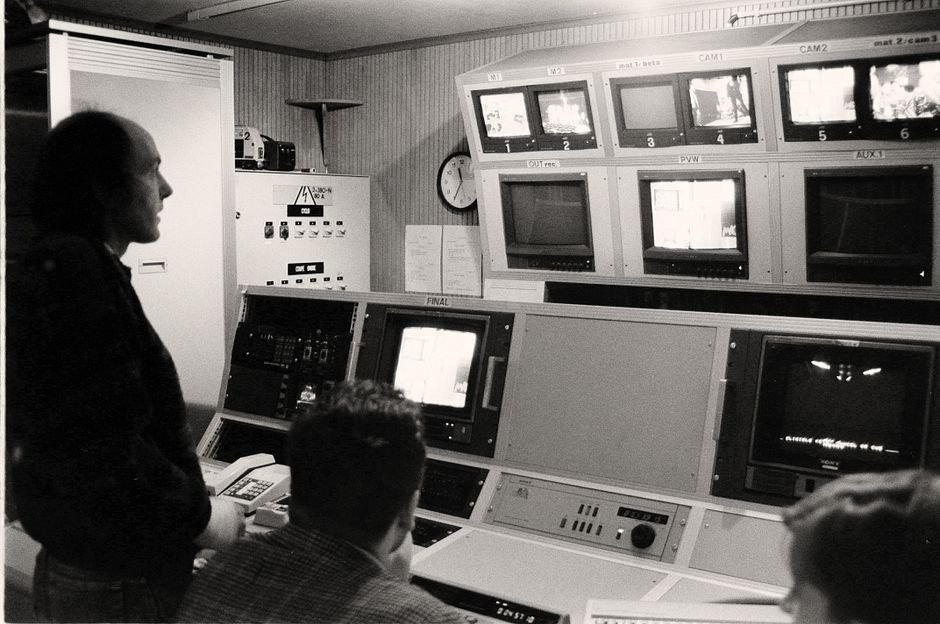
During the early 1960s, the BBC filmed several Doctor Who adventures outside its main London studios. Cambridge served as a location for exterior shots and provided facilities for certain episodes. Hearn's father participated in these productions, witnessing firsthand the daily challenges of television production during this era. His memories offer valuable insight into how television was created under constrained circumstances.
When Strikes Interrupted Production
A BBC strike occurred during a critical period of filming, disrupting the normal workflow and preventing the completion of several planned episodes. Labor disagreements between staff and management created uncertainty about which productions could continue. Some episodes were abandoned before completion, leaving gaps in the Doctor Who archive that would puzzle fans for decades afterward.
Lost Television History
The consequences of this industrial action proved permanent for certain stories. Episodes that were not finished during production were ultimately canceled, becoming part of television history that viewers never saw. Hearn's narrative provides context for understanding how real-world events shaped what audiences experienced on screen.
Remembering the Past
Through his father's accounts, Hearn preserves memories of this complicated period in British television. These personal testimonies remind us that entertainment production involves many people whose contributions often remain unrecognized. Understanding this history helps us appreciate both the television we enjoy and the human efforts behind its creation.
Discussion Questions
- How do you think labor disputes in workplaces affect the quality of creative projects like television production?
- Why might it be important to preserve and share personal stories from people who worked in entertainment history?
- What challenges do you imagine filmmakers faced when trying to produce television shows in the 1960s compared to today?
- Have you ever been interested in learning about behind-the-scenes details of your favorite movies or television shows? What did you discover?
- How can understanding historical events help us appreciate the entertainment we consume in the present day?
Open the full interactive lesson with tap-to-hear on every word →