Three Brothers Journey 2,500 Miles Seeking Mates
Listen
Vocabulary
Article
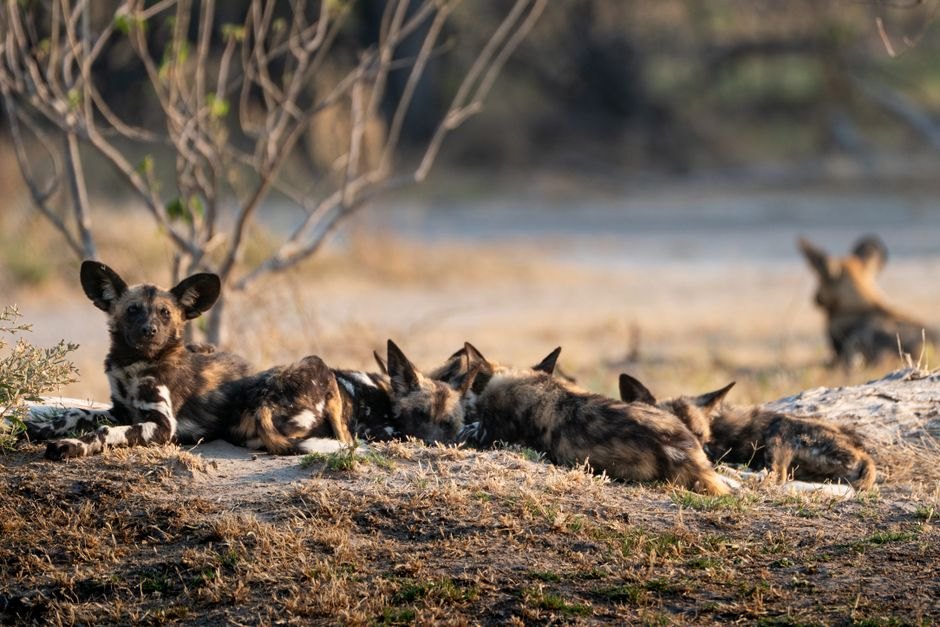
Three male wild dogs recently completed an extraordinary expedition across Zambia, traversing approximately 2,500 miles in their search for potential mates. This remarkable odyssey, documented by wildlife researchers, represents the longest migration distance ever recorded for this endangered species. The three brothers, moving as a cohesive unit through diverse and often hostile terrain, demonstrated remarkable resilience and navigational capability that surprised even experienced biologists studying the population.
Significance for Conservation
The brothers' successful journey carries profound implications for wildlife conservation efforts across southern Africa. Their trek indicates that despite fragmented habitats and mounting anthropogenic pressures, these animals retain the capacity to traverse vast distances and establish new territories. Scientists interpret this behavior as evidence that wild dog populations may adapt and persist even as their traditional ecosystems diminish, provided corridors remain sufficiently connected.
Challenges Along the Route
The expedition exposed the dogs to numerous hazards endemic to the African landscape. Territorial conflicts with other predators, unpredictable weather patterns, and scarcity of prey presented continuous obstacles. Additionally, human settlements and infrastructure fragmented their path, forcing the animals to navigate through increasingly urbanized regions where conflict with local communities remained a persistent threat to their survival.
Scientific Observations
Researchers tracked the brothers using GPS technology, accumulating invaluable data regarding migration patterns, movement rates, and behavioral responses to environmental obstacles. The documentation reveals how wild dogs employ social cooperation and collective decision-making when confronting challenging terrain. This information enhances our understanding of canine intelligence and may inform future strategies for protecting dispersing populations across protected areas.
Broader Ecological Implications
The journey underscores the necessity of maintaining ecological connectivity across national boundaries. Wild dog survival depends not merely upon isolated reserves but upon functional corridors permitting long-distance movement and genetic diversity. Conservation practitioners increasingly recognize that protecting single locations proves insufficient; instead, regional and continental approaches facilitating animal movement offer substantially greater prospects for species recovery.
Discussion Questions
- How might the documented journey of these three brothers change the way conservationists design protected areas and migration corridors for endangered species?
- What specific obstacles do you think presented the greatest challenge to these animals, and why might their social structure as brothers have facilitated their survival?
- Considering the tracking data collected during this expedition, what additional research questions should scientists prioritize to better understand wild dog behavior and survival strategies?
- How can wildlife management balance the protection of animal migration corridors with the legitimate development needs of human communities in regions where these corridors must pass?
- The article suggests this journey offers hope for species adaptation despite habitat fragmentation. What limitations might exist to this optimism, and what could prevent other animals from replicating this success?
Open the full interactive lesson with tap-to-hear on every word →