Orbital Weaponry: The Future of Space-Based Defense
Listen
Vocabulary
Article
Recent discussions within the United States government have centered on the theoretical deployment of weapons systems in Earth's orbit. While no actual weapons have been placed there, military strategists have contemplated various technological possibilities. This emerging domain represents a significant shift in how nations conceptualize national security and geopolitical advantage in the contemporary era.
The Orbital Domain as Strategic Territory
Space has traditionally been viewed through a scientific and commercial lens. Nevertheless, as satellite technology becomes increasingly sophisticated and economically valuable, military planners recognize that controlling this region provides substantial advantages. Whoever dominates the orbital environment potentially controls communication systems, surveillance capabilities, and navigation infrastructure that modern societies depend upon.
Theoretical Weapon Systems
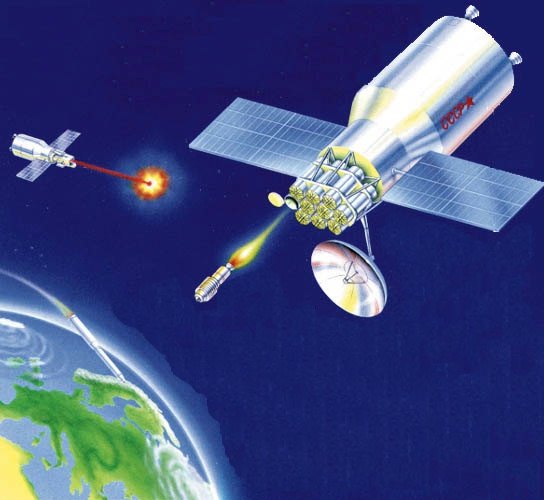
Military theorists have speculated about multiple weapon categories that could operate in space. These might include kinetic strike systems that utilize velocity to disable targets, directed-energy weapons using focused electromagnetic radiation, and anti-satellite mechanisms designed to neutralize rival spacecraft. Each approach presents distinct technical challenges and raises complex international legal questions regarding arms control agreements.
International Legal Frameworks
The Outer Space Treaty of 1967 prohibits placing nuclear weapons in orbit, yet considerable ambiguity persists regarding conventional weapons systems. This treaty, ratified by most nations, reflects Cold War-era assumptions that may not adequately address contemporary space capabilities. Modern diplomatic efforts struggle to establish clear boundaries between legitimate military reconnaissance and prohibited weaponization.
Strategic Implications
The prospect of space-based weaponry has profound implications for global security architecture. Nations investing in these capabilities claim defensive motivations, though such systems inherently create escalatory dynamics. The militarization of space could fundamentally transform international relations and establish precedents affecting humanity's long-term access to and utilization of the orbital environment.
Discussion Questions
- What do you believe distinguishes legitimate military defense capabilities from unacceptable weaponization in the orbital domain?
- How might the deployment of space-based weapons alter the balance of power between nations, and what could be the unintended consequences?
- Should international treaties from 1967 be updated to address contemporary space technology, and who should participate in establishing these new guidelines?
- What economic and scientific benefits might be lost if nations prioritize military applications of space technology?
- If space militarization becomes inevitable, what safeguards or diplomatic mechanisms could prevent dangerous escalation between competing powers?
Open the full interactive lesson with tap-to-hear on every word →