Lithuania Prepares Defenses While Managing Security Risks
Listen
Vocabulary
Article
Lithuania's Prime Minister recently conveyed a resolute message to international media: despite persistent security concerns originating from Moscow, his nation possesses both the determination and operational readiness to mount a substantial defensive response if provoked. Simultaneously, Lithuanian authorities have developed comprehensive contingency strategies to safeguard civilian populations against potential threats.
Persistent Regional Tensions
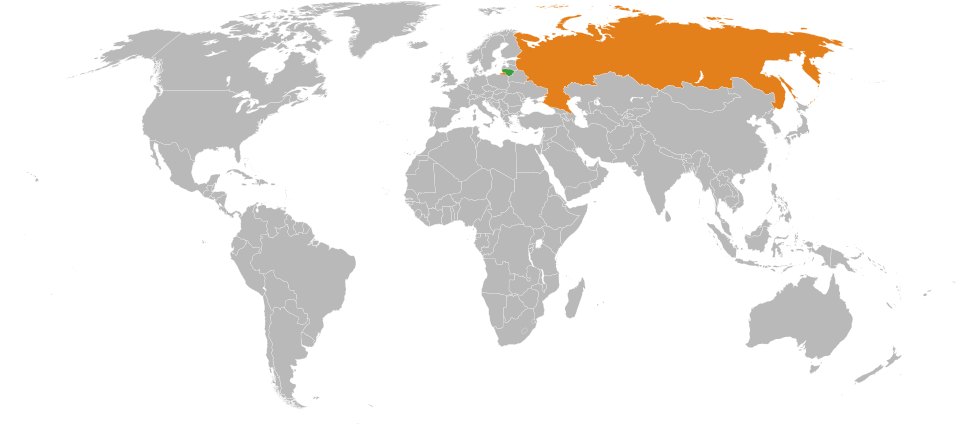
The Baltic state exists in a precarious geopolitical position, situated along Russia's western boundary. Lithuanian citizens report experiencing continuous apprehension regarding potential military aggression, a psychological burden that permeates contemporary society. This anxiety reflects legitimate security considerations rather than unfounded speculation, given historical precedents and current geopolitical dynamics in the region.
Military Preparedness and Strategic Planning
Lithuania has undertaken substantial initiatives to fortify its defensive capabilities, including enhanced military training and infrastructure investments. The government has meticulously constructed evacuation protocols designed to facilitate rapid civilian displacement should circumstances necessitate such measures. These preparations represent a pragmatic acknowledgment of vulnerability while demonstrating institutional commitment to population protection.
Balancing Deterrence and Diplomacy
The Prime Minister's public statements articulate a delicate equilibrium: projecting sufficient resolve to discourage potential aggression while simultaneously maintaining diplomatic channels. This positioning serves multiple strategic objectives—reassuring domestic constituencies of governmental competence while communicating resolve to both adversaries and NATO allies.
International Context
Lithuania's situation exemplifies broader European security realignments following geopolitical upheaval. As a NATO member, the nation benefits from collective defense provisions, yet recognizes that ultimate responsibility for immediate response mechanisms rests domestically. This multifaceted approach characterizes modern security strategy for nations confronting asymmetrical threat environments.
Discussion Questions
- How do you interpret the distinction between demonstrating military preparedness and escalating tensions? What communication strategies accomplish both simultaneously?
- What psychological effects might persistent security threats have on a nation's civilian population, and how might governments address these impacts constructively?
- How do smaller nations typically balance independent defensive capabilities against reliance on collective security arrangements like NATO membership?
- What ethical considerations arise when governments develop evacuation protocols? How transparently should such planning be communicated?
- How might a nation's geographic proximity to a perceived adversary reshape long-term strategic planning, cultural identity, and international relationships?
Open the full interactive lesson with tap-to-hear on every word →