Data Centres Turn to Light to Cut Power Use
Listen
Vocabulary
Article
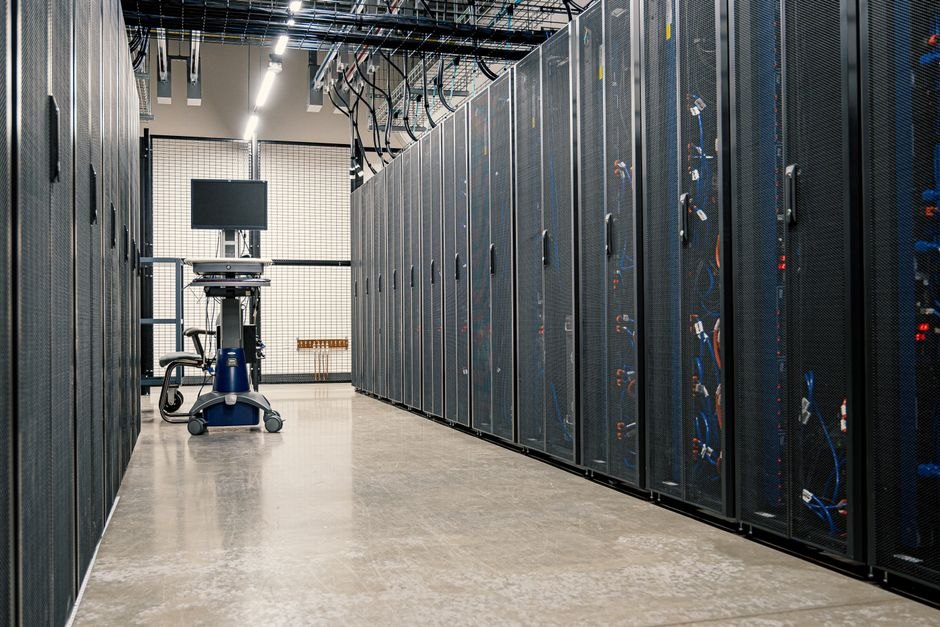
Data centres consume enormous quantities of copper in their electrical systems, cooling infrastructure, and networking wiring. A typical 100-megawatt facility uses around 400 tonnes of copper overall, with roughly 20 tonnes dedicated to the cables connecting computer servers. Industry leaders now question whether copper's reign will continue. Chris Sharp, chief technology officer at Digital Reality, suggests that copper may become less dominant, not because supplies are running out, but because alternative technologies offer superior performance for internal data transmission.
Light Instead of Electricity
The proposed alternative is photonics, a technology that transmits data using light rather than electrical current. Researchers have worked with photonics for years, but the technology is now ready for mainstream deployment in data centres. The primary advantage is thermal: light does not generate the heat that electricity does, significantly reducing the energy required for cooling systems. Additionally, multiple data streams can travel simultaneously through a single optical channel, increasing capacity without adding physical infrastructure. Major companies, including AI chip manufacturer Nvidia, have endorsed this shift, signalling confidence in the technology's viability.
Engineering and Cost Challenges Remain
Transitioning from copper to photonics involves complex engineering challenges and requires integrating different manufacturing traditions and supply chains. Currently, the industry excels at optimizing electrical systems, but bringing photonics costs down remains difficult. Assembly is concentrated in Taiwan, while other manufacturing elements are distributed globally, creating coordination complexities. Despite these obstacles, researchers and companies believe the economic and efficiency gains justify the effort required to overcome these hurdles and establish photonics as the standard for internal data centre communications.
Discussion Questions
- Why might reducing heat generation in data centres be important beyond just saving electricity costs?
- What complications arise when manufacturing processes for a technology are spread across multiple countries and regions?
- If photonics can transmit multiple data streams through one channel, how might this affect future data centre design and capacity planning?
- What role do you think major companies like Nvidia play in accelerating the adoption of new technologies like photonics?
- Given the current challenges in bringing photonics costs down, what factors might determine whether this technology becomes widespread or remains limited to specific applications?
Open the full interactive lesson with tap-to-hear on every word →