Rebuilding after loss: Kibbutz Nir Oz three years later
Listen
Vocabulary
Article
A community remembers
Kibbutz Nir Oz was a thriving Israeli community of around 400 people until 7 October 2023, when Hamas-led attackers devastated the settlement near the Gaza border. That day, 47 residents and visitors were killed, and 76 others were taken hostage to Gaza. Three years later, survivors like Dalit and Achi Ram Aharon have returned to rebuild their lives, though the kibbutz remains profoundly changed. The couple hid with their three children in a reinforced shelter for nearly twelve hours during the assault.
Traces of loss
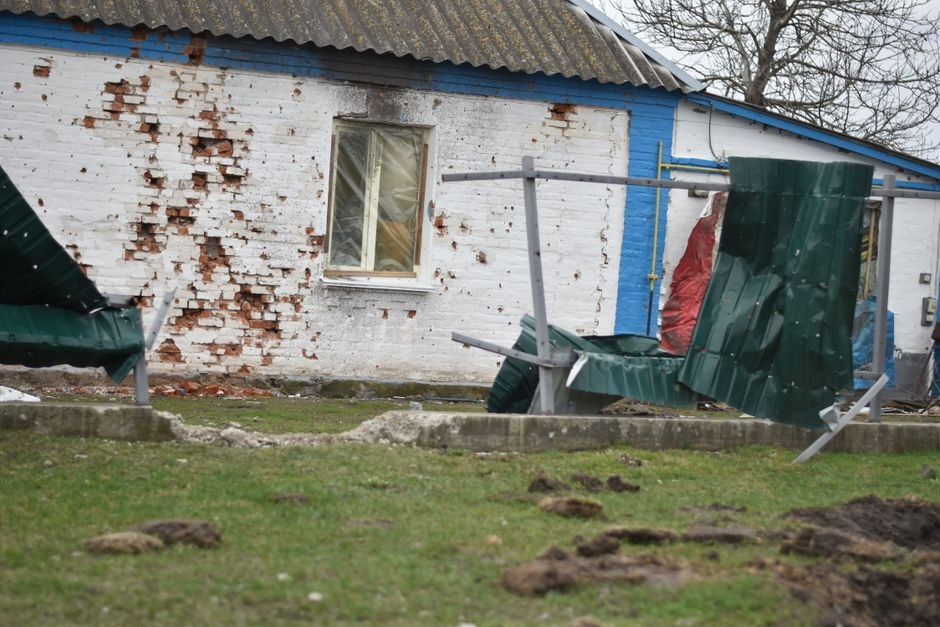
Walking through the kibbutz today reveals the depth of the destruction. Bullet holes mark the glass doors of the once-vibrant communal dining room, now silent except for birdsong. Most of the simple homes have been demolished, leaving only concrete safe rooms that could not protect their residents. Postboxes near the entrance display colored stickers: red for those killed, black for those taken hostage. Residents like Dalit can point to specific locations where teachers, neighbors, and families died. One house remains scorched, with a family portrait still visible inside.
A choice to remember
Some residents face difficult decisions about what to preserve and how to move forward. The Aharons believe that leaving some damaged houses standing serves an important purpose: to show visitors the reality of what occurred and the hatred behind the attack. They recognize that rebuilding means honoring those who died and those still missing. For survivors choosing to return, staying in Nir Oz represents an act of resilience and commitment to the community they shared before the tragedy.
Discussion Questions
- Why do you think survivors like the Aharons choose to return to Kibbutz Nir Oz when they could move somewhere else? What does this choice say about their connection to the place?
- The postboxes use red stickers for the killed and black for the hostages. Why might displaying these stickers publicly be important to the community?
- Dalit and Achi want some damaged houses left standing. What are the advantages and disadvantages of preserving destroyed buildings as reminders?
- How do you think daily life in a small community changes after such a large percentage of residents are killed or taken away? What challenges might survivors face?
- If you were helping rebuild Kibbutz Nir Oz, what would you prioritize first: new homes, memorials, or something else? Explain your thinking.
Open the full interactive lesson with tap-to-hear on every word →