Britain's Power Grid Faces Winter Test
Listen
Vocabulary
Article
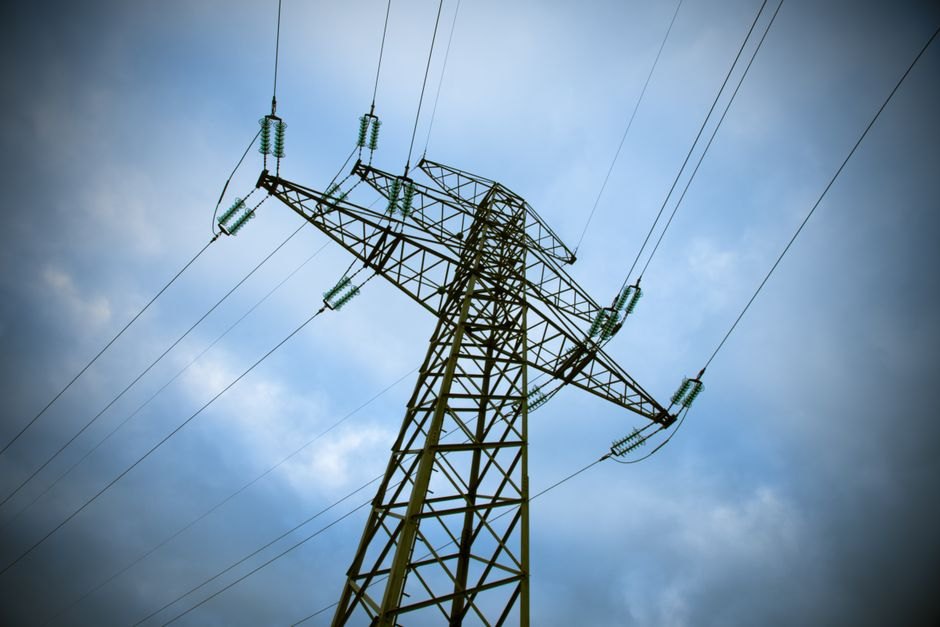
Britain's electricity network operator has promised that power supplies will remain steady through the winter months, despite concerns raised by some of its own staff members. The National Energy System Operator, or NESO, stated that the country's electrical system was prepared and resilient enough to handle the challenges of cold weather. However, an independent investigation discovered that engineers working at NESO experienced high levels of stress about whether they could guarantee adequate electricity supply during this period.
Balancing renewable and traditional power
The core problem centers on how Britain generates its electricity. Wind and solar power now account for nearly half of all electricity production, with wind alone providing almost 30 percent last year. Traditional gas-fired power stations, by contrast, are easier to control and adjust quickly when demand changes. Renewable energy sources are less flexible, making it harder for operators to balance supply with demand. This difficulty has created anxiety among the engineers responsible for keeping the system stable.
Management and communication gaps
The investigation also revealed significant problems between NESO's control room staff and its leadership. Engineers working on the frontline felt that senior executives did not fully understand the pressures they faced or how the control system actually worked. NESO has indicated that some winter days might be tight, meaning additional power generation notices could be issued to producers. Officials stressed that such notices are routine procedures, not warnings of power cuts, and that Britain's electricity system remains among the world's most secure.
Discussion Questions
- What are the main differences between how renewable energy and gas-fired power plants work to supply electricity?
- Why might NESO's engineers feel stressed about managing the electricity system during winter?
- According to the article, what does NESO mean when it says some winter days could be tight?
- How does the investigation suggest that communication between NESO's leadership and its engineers could be improved?
- Do you think Britain's move toward renewable energy is worth the extra management challenges it creates?
Open the full interactive lesson with tap-to-hear on every word →