England Gives More Power and Money to Cities and Regions
Listen
Vocabulary
Article
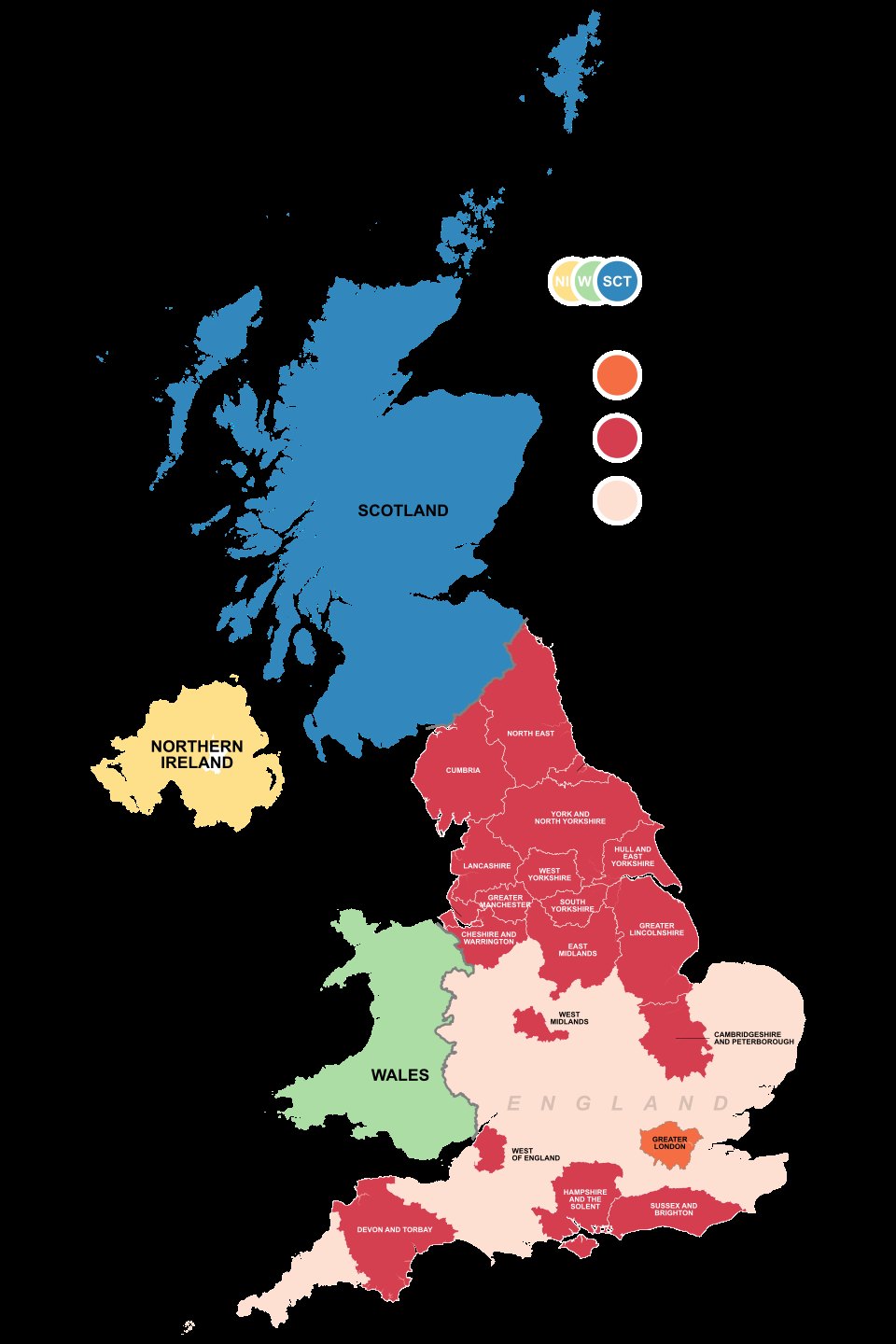
Chancellor John Healey announced a budget that directs over £1 billion toward social and affordable housing in England, bringing total funding for the government's ten-year homes programme to more than £40 billion. The announcement also includes a significant shift in how England's regions operate. Mayors and local leaders will receive greater powers and resources to make decisions about their own communities, rather than requesting approval from the central government in Westminster each time they want to invest in a project.
A New System for Local Investment
The government will provide £285 million in seed funding next year to help mayors and local councils invest in priorities that matter to them. Starting in 2028, a £1.5 billion borrowing facility will allow regional leaders to access capital for building homes, revitalizing high streets, and improving transport links. This approach aims to reduce what officials call fragmented bidding pots - the current system where local governments must compete for money through multiple separate funding programs. By consolidating power at the regional level, officials believe communities can grow more efficiently.
Why This Matters for Communities
Prime Minister Andy Burnham emphasized that regional leaders know their communities best and should not need to ask Westminster for permission constantly. London's mayor, Sadiq Khan, highlighted how greater investment power could enable major infrastructure projects, including Underground extensions and new transport routes. Critics, however, questioned whether the budget adequately supports businesses and start-ups. Treasury adviser Alex Depledge resigned in protest, arguing that entrepreneurs were being treated as a sideshow rather than central to economic growth.
Discussion Questions
- What does devolution mean, and why might giving regional leaders more power help their communities grow?
- According to the article, how will the £285 million seed funding and the future £1.5 billion borrowing facility change the way local leaders invest in their areas?
- Prime Minister Burnham said he wanted to end local leaders having to 'go cap in hand to Westminster.' What do you think he meant by this phrase?
- Why did Treasury adviser Alex Depledge resign, and what does her concern suggest about the government's priorities?
- Do you think giving regions more power to make their own investment decisions is a good approach? What could be the advantages and disadvantages?
Open the full interactive lesson with tap-to-hear on every word →