Lula Returns to Power in Brazil's Dramatic Election
Listen
Vocabulary
Article
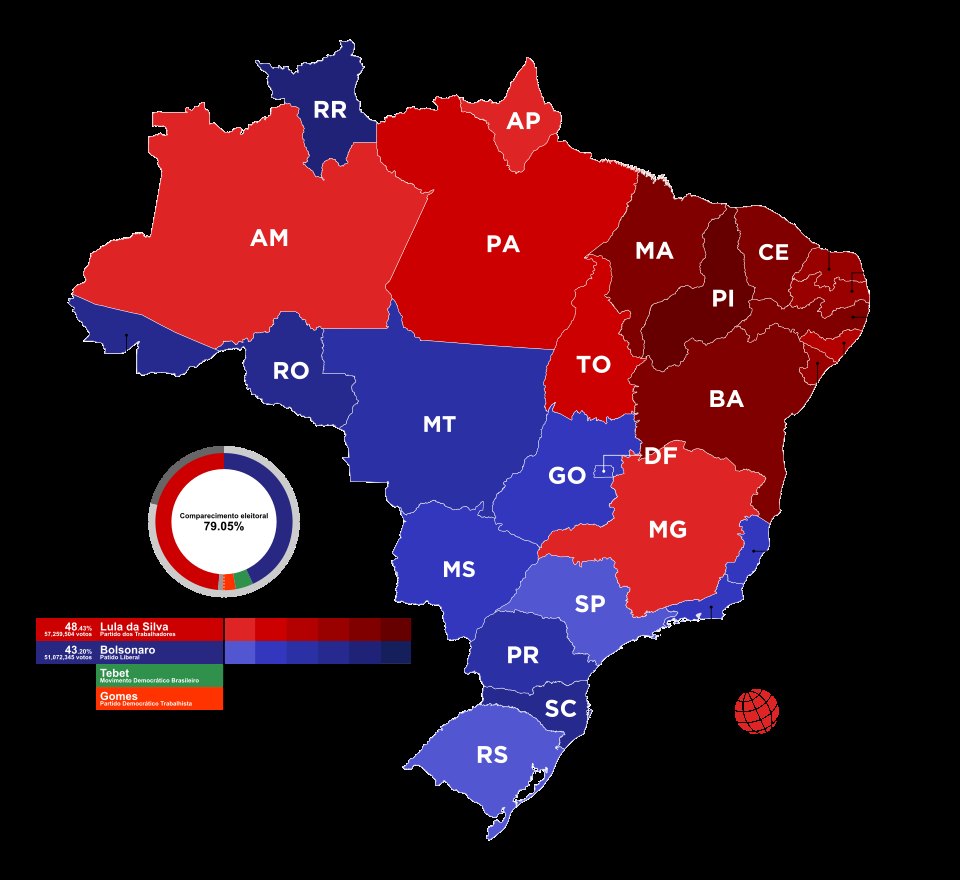
Brazil's President Luiz Inácio Lula da Silva achieved an extraordinary political comeback, winning a fourth term in office. He defeated right-wing challenger Flávio Bolsonaro with 51.79% of the vote, making history as the first Brazilian president elected four times. Remarkably, Lula had lost the first round of voting in October but regained momentum before the final election. His victory reversed expectations and surprised many observers who thought Bolsonaro's son would continue his family's political dominance.
A Contested Result
Flávio Bolsonaro has refused to recognize the election outcome and called for it to be annulled. His concerns center on a Supreme Court decision to extend voting by two hours nationwide, citing potential bias from the judge involved. However, both campaigns had actually requested more voting time for different reasons: Lula's team mentioned transportation problems in São Paulo and Bahia, while Bolsonaro's campaign pointed to heavy rain in southern areas. The president of Brazil's electoral court, appointed by Bolsonaro's father, confirmed Lula's victory was legitimate and unaffected by the extension.
Challenges Ahead
Lula's victory margin of 4.4 million votes makes his win difficult to challenge legally. Yet he faces significant obstacles as president: the country remains deeply divided, his opponent refuses to concede, and Congress contains many Bolsonaro supporters hostile to his agenda. Markets initially reacted negatively, with the São Paulo stock exchange dropping 15% before recovering. Despite these hurdles, world leaders from various political backgrounds congratulated Lula, signaling international support for Brazil's democratic process and his democratic election.
Discussion Questions
- Why was Lula's victory considered a comeback, and what changed between the first and second rounds of voting?
- What reasons did both political campaigns give for requesting an extension of voting time, and why was this decision controversial?
- How did the size of Lula's victory margin affect the credibility of the election result?
- What challenges do you think Lula will face as president, given that Congress contains many of his political opponents?
- Why might other countries' leaders express support for Lula's election, even if they disagreed with his politics?
Open the full interactive lesson with tap-to-hear on every word →