Should the NHS provide more weight-loss injections?
Listen
Vocabulary
Article
A group of British lawmakers recently criticized plans to expand access to a weight-loss injection called Mounjaro on the NHS. The current plan aims to provide this medication to 220,000 people by 2028, but MPs argue this number is far too small. They point out that only 6 percent of eligible patients would receive the drug for free, while over one million people are already paying privately for weight-loss injections. This creates an unfair two-tier system where wealthy patients get quick access to medication while others cannot afford it.
The cost challenge
The main reason the NHS is rolling out Mounjaro slowly is expense. If all 2.8 million eligible people received the drug immediately, the NHS would spend approximately £15.2 billion over five years. The committee suggests that current costs are unnecessarily high because the NHS relies on GPs to oversee prescriptions and monitor patients personally. Private providers, however, use digital platforms to handle much of this work more efficiently. MPs believe the NHS could reduce expenses by adopting similar streamlined methods while still expanding access to medication.
A broader solution
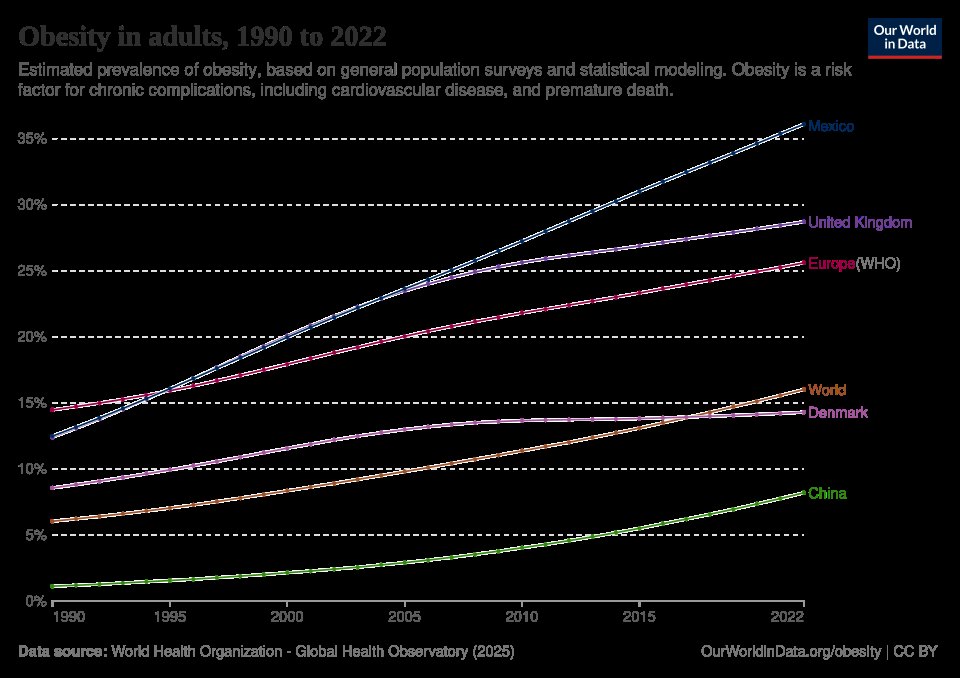
Lawmakers say the obesity crisis demands a comprehensive approach that extends beyond injectable drugs alone. They want the NHS to improve access to diet courses, lifestyle programs, and weight-loss surgery. The committee also highlighted a growing problem with illegal weight-loss drugs sold online, urging the government to launch public awareness campaigns about these dangers. Treating obesity as a serious medical condition, comparable to diabetes, could help shift how society and the health system address this widespread challenge.
Discussion Questions
- Why do you think private providers can use digital platforms more easily than the NHS currently does?
- If the NHS expanded access to weight-loss injections, what other services might patients also need to succeed?
- How could a public awareness campaign help reduce the problem of illegal weight-loss drugs being sold online?
- Do you agree that obesity should be treated as a serious medical condition like diabetes? Why or why not?
- What challenges might the NHS face if it tried to increase access to weight-loss treatment for all eligible people at once?
Open the full interactive lesson with tap-to-hear on every word →