Train Crash in Spain Kills Dozens
Listen
Vocabulary
Article
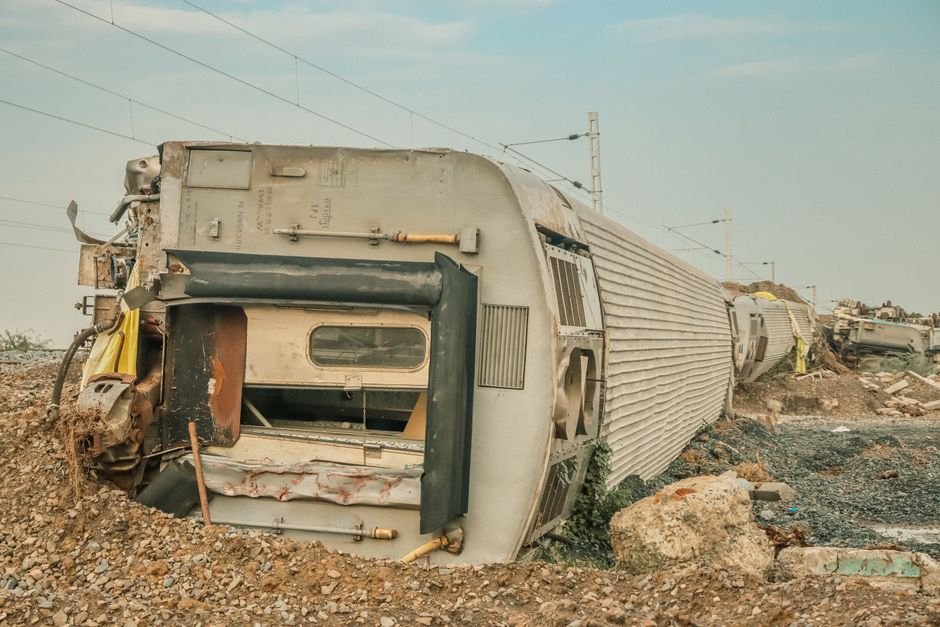
A high-speed train traveling from Madrid to Seville struck another train stopped on the tracks in central Spain on Wednesday morning, killing at least 68 people and injuring many more. The collision occurred around 140 kilometers south of Madrid, between the towns of Mora and Orgaz. The force was so severe that several railway carriages fell down an embankment, and one carriage caught fire. This disaster ranks among the worst train accidents in modern European history and Spain's deadliest in over a decade.
What Caused the Crash
According to Spain's transport minister, a computer failure first stopped the Iryo train on the tracks with 147 passengers aboard. When the system failed, a control center in Madrid took over, but made an unexplained decision to allow both trains to move without speed restrictions. The state-owned Renfe train, carrying 397 passengers, was traveling at high speed when it struck the stationary train from behind. This combination of technical failure and human error created the conditions for the catastrophe.
Survivors' Accounts
Passengers described terrifying moments as the trains collided. People were thrown into the air, trapped under seats and debris, and forced to break windows to escape. Some saw a piece of railway track pierce through a carriage. One 22-year-old survivor recalled suitcases flying through the air and the train flipping over, leaving him uncertain whether he could recover from what he witnessed. Rescue teams arrived quickly, with ambulances and helicopters evacuating those with the most serious injuries.
Discussion Questions
- Why do you think the control center in Madrid decided to remove speed restrictions after the computer failure?
- What role did the computer failure play in causing the accident, and what role did human decision-making play?
- How might the accident have been different if the Iryo train had not been stopped on the tracks when the Renfe train approached?
- What do you think rescue teams should prioritize in the first hours after a major train crash like this one?
- How do you think this accident might change safety procedures for high-speed trains in Spain or Europe?
Open the full interactive lesson with tap-to-hear on every word →