The Power Broker Behind AI's Future
Listen
Vocabulary
Article
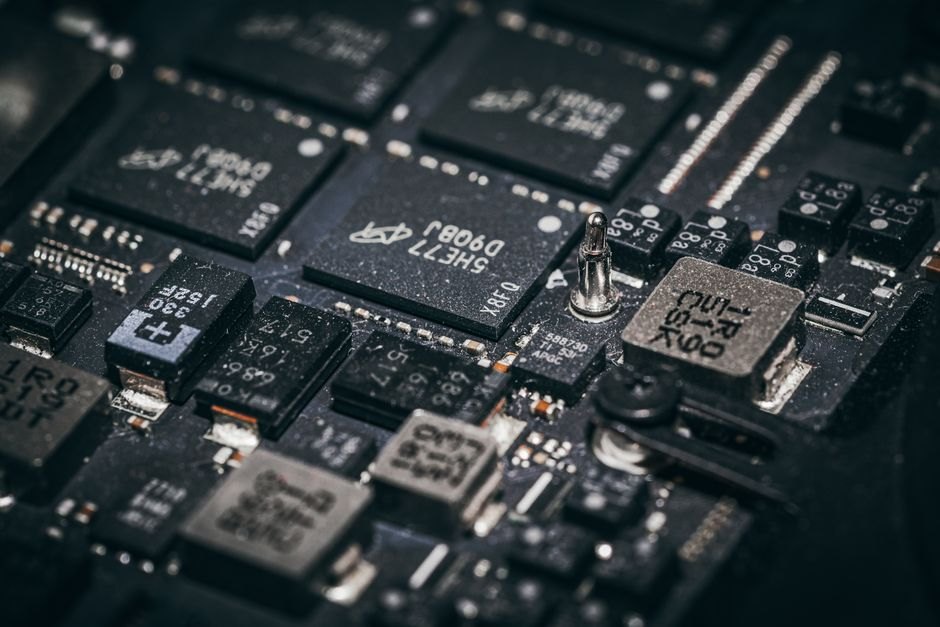
Jensen Huang leads Nvidia, the company that makes the most powerful microchips driving artificial intelligence development worldwide. His technology began with graphics processors for video games but now powers the advanced AI systems reshaping industry and society. Huang has the charisma and influence of legendary tech innovators, allowing him rare access to world leaders. Recently, he held discussions with both US President Trump and China's President Xi, positioning himself as a bridge between rival superpowers competing for AI dominance.
A Disagreement on Competition
Huang argues that the race for AI advancement is not truly competitive, suggesting that both America and China can succeed without one defeating the other. He believes the world should depend on American technology, including Nvidia chips, as a safer path forward. However, national security experts strongly disagree. They view AI supremacy as a genuine competition where the nation developing the most powerful systems will gain crucial advantages in scientific progress, encryption, economic strength, and military capability.
Questions and Concerns
Huang's push to lift export bans on advanced chips to China has drawn scrutiny, particularly after investigations into his personal life. He claims military powers naturally build their own independent technology rather than relying on potential adversaries. Yet officials worry that loosening restrictions could accelerate China's AI capabilities. His simultaneous meetings with both superpowers and his public arguments for fewer trade restrictions have raised questions about where his primary loyalties lie during this critical technological moment.
Discussion Questions
- Why do you think Huang's access to both Trump and Xi gives him unusual influence in technology policy?
- What is the main disagreement between Huang's view and that of national security experts about AI competition?
- Huang claims militaries will build their own technology rather than depend on rivals. Do you find this argument convincing? Why or why not?
- How might export restrictions on microchips affect innovation and competition in different countries?
- Should business leaders from one country be allowed to negotiate directly with foreign governments on trade and technology matters? What are the risks and benefits?
Open the full interactive lesson with tap-to-hear on every word →